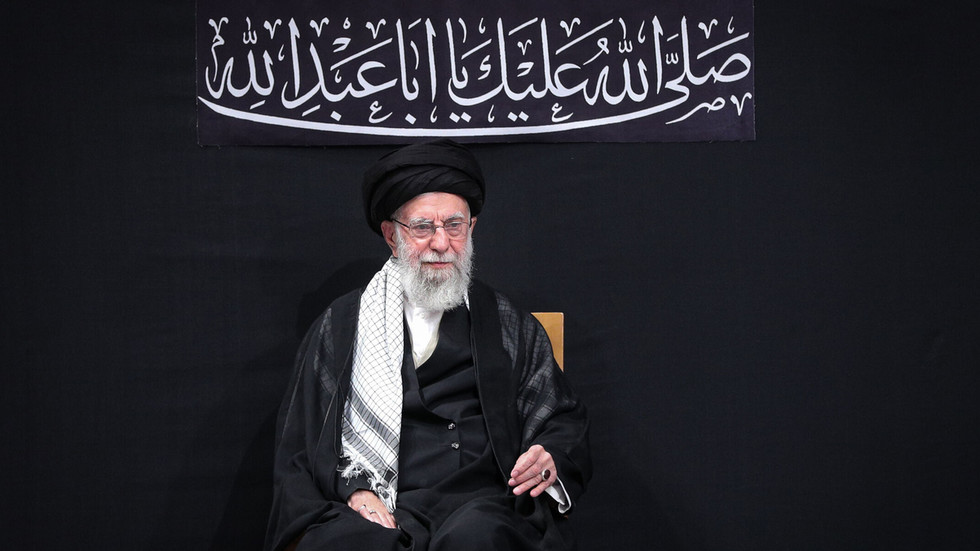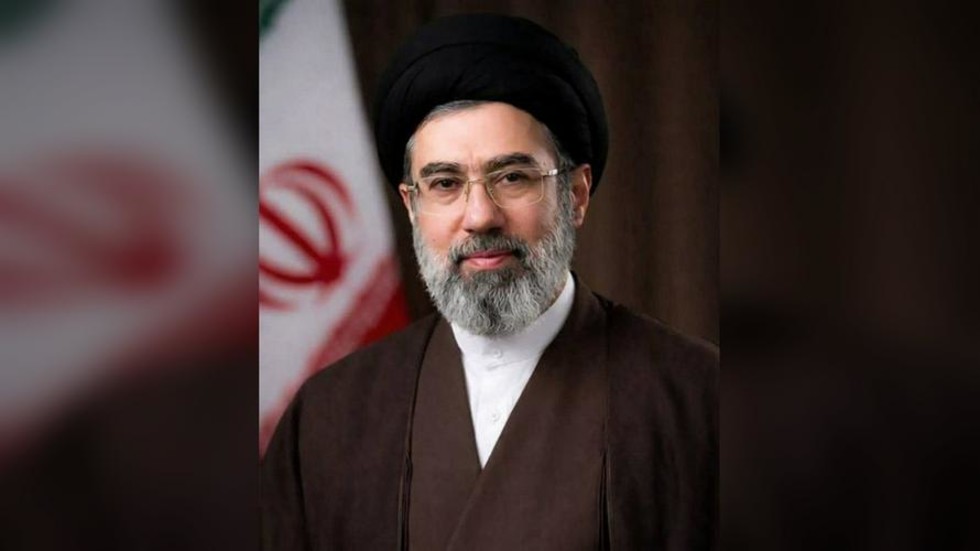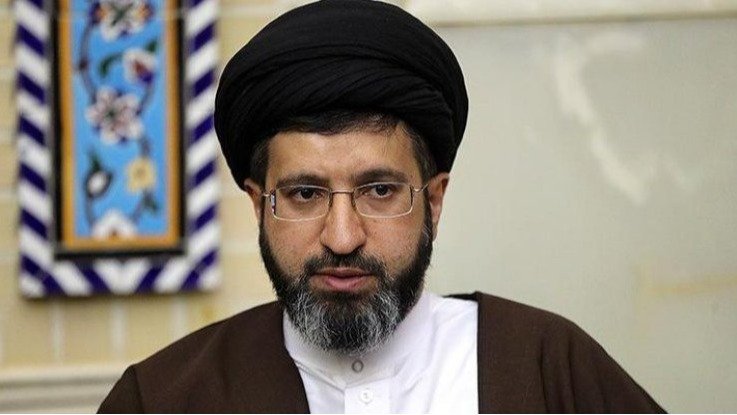

Mojtaba Khamenei, son of the late Supreme Leader Ayatollah Ali Khamenei, has been elected and officially announced as Iran’s new supreme leader by the Assembly of Experts in Tehran. Both government-aligned and opposition sources report that his father was killed in a US-Israeli airstrike, and that the Assembly considered multiple clerical candidates before settling on Mojtaba. They agree that the Islamic Revolutionary Guard Corps has pledged allegiance to him, that foreign reactions have followed quickly—including congratulations from Russian President Vladimir Putin—and that the transition is occurring amid ongoing regional conflict and attacks on Iranian targets.
Coverage from both sides also notes that the leadership change is framed as a response to external “armed aggression” against Iran and the resulting power vacuum at the apex of the political system. They agree on the central institutional role of the Assembly of Experts in confirming the successor, on the symbolic importance of continuity through a family succession, and on the expectation that the new supreme leader will maintain Iran’s strategic posture in the region. Both perspectives highlight that the presidency and other branches of government are aligning themselves publicly with Mojtaba’s rule, and that foreign policy toward the United States and Israel will remain confrontational.
Areas of disagreement
Legitimacy of the succession. Government-aligned outlets portray the Assembly of Experts’ vote as a measured, scholarly process that carefully weighed several senior clerical candidates before selecting Mojtaba Khamenei, emphasizing constitutional continuity and religious authority. Opposition sources, while acknowledging the Assembly’s formal role, implicitly question the independence and transparency of the process, framing the outcome as a predetermined dynastic transfer rather than a genuine deliberation. They stress that his being the late leader’s son reinforces perceptions of a closed, self-perpetuating power elite.
Characterization of Mojtaba Khamenei. Government coverage presents Mojtaba as a unifying, pious figure who endured personal sacrifice—being wounded in the same strike that killed his father and losing close family members—and is therefore morally entitled to lead the nation in a time of crisis. Opposition reporting describes him more as a political operator whose elevation consolidates hardline networks, noting that his rise is welcomed by allies like Russia but viewed warily by Western leaders such as Donald Trump. While state-aligned narratives emphasize his commitment to dignity and power for Iran, opposition outlets highlight concerns about increased repression and militarization under his rule.
Framing of external enemies and regional policy. Government outlets amplify Mojtaba Khamenei’s vows to maintain Iran’s ability to threaten closure of the Strait of Hormuz and to seek compensation from the United States and Israel, casting these positions as legitimate defensive leverage against unjust aggression. Opposition coverage, though recognizing those statements, tends to underscore the risks of escalation, regional economic disruption, and further international isolation that such threats entail. They contrast Russia’s “unwavering support” with growing unease in Western capitals, suggesting that the new leadership may double down on confrontational policies rather than de-escalation.
Domestic implications and stability. Government-aligned media depict the IRGC’s swift pledge of allegiance and the president’s rhetoric about a “new era of dignity and power” as signs of political stability and elite cohesion around Mojtaba’s leadership. Opposition sources, by contrast, interpret the same gestures as evidence that security and military institutions are driving the transition, raising fears that civilian institutions and dissenting voices will be further sidelined. They hint that concentrating authority in the hands of the new supreme leader and his security backers may deepen internal tensions, even as official narratives insist the succession will unify the country.
In summary, government coverage tends to frame Mojtaba Khamenei’s elevation as a legitimate, consensual, and stabilizing handover of power in the face of foreign aggression, while opposition coverage tends to treat it as a tightly controlled, security-dominated succession that entrenches hardline rule and heightens both domestic and international risks.
Story coverage