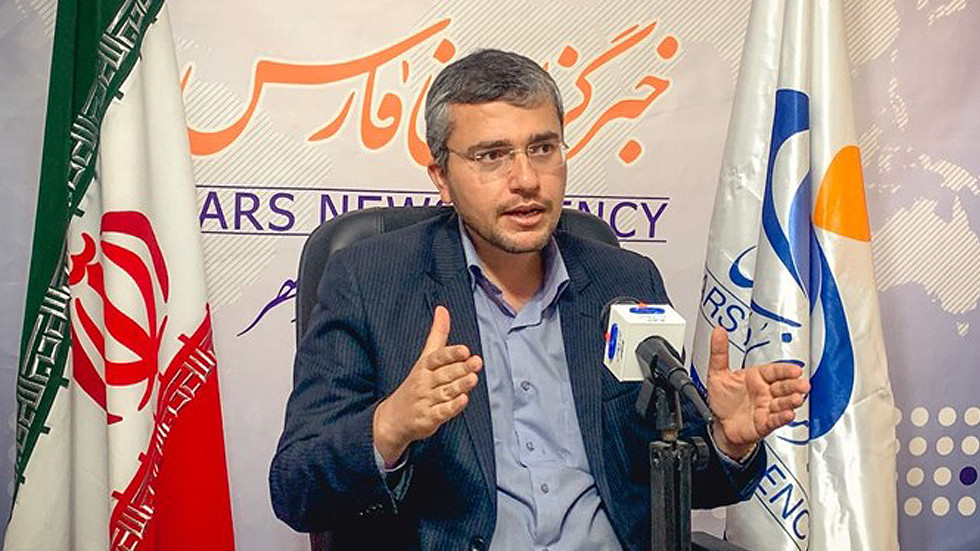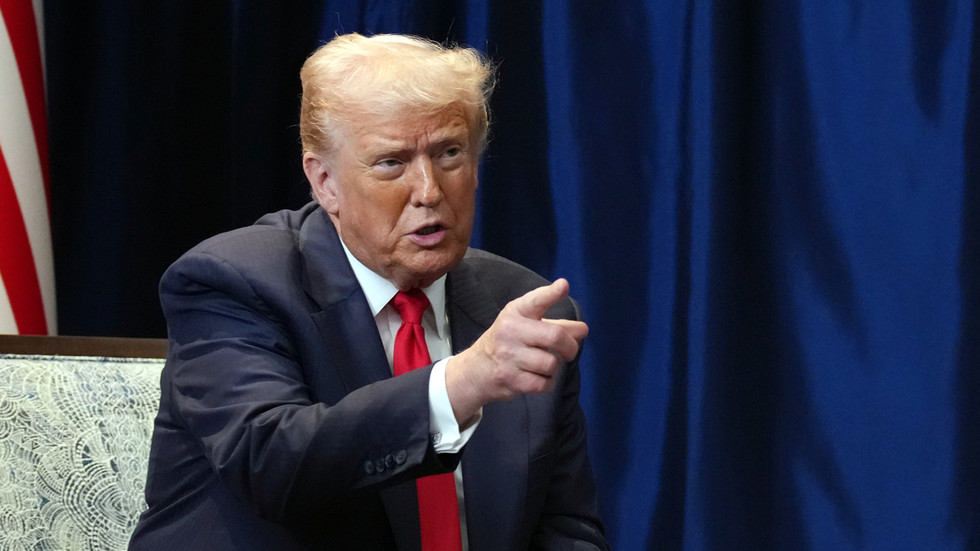
US and Iranian officials are engaged in indirect nuclear talks as former US President Donald Trump publicly warns that Iran will face a “very bad day” and possible military action if it does not agree to a new nuclear deal. Across both sets of sources, there is agreement that Washington is pressing for limits on Iran’s nuclear and missile programs, that Iran insists its nuclear activities are peaceful and its missile program is non-negotiable, and that senior US military officials have voiced internal warnings about the risks and feasibility of an extended strike campaign. Both sides also acknowledge heated rhetoric from Tehran, including an Iranian MP’s remark that the outcome of the talks will determine whether American soldiers “go to hell or return to America,” and public signals from Iran’s foreign minister that the country is prepared for military confrontation if diplomacy collapses.
Coverage also converges on a shared institutional and geopolitical context: the negotiations are framed as part of long-running disputes over Iran’s nuclear program, previous international agreements, and US-led efforts to constrain Iran’s regional power. Both perspectives reference the role of the US military establishment as a key stakeholder warning about the potential costs of war, even as political leaders exchange threats. There is common recognition that Iran’s leadership treats its missile program as a core security asset and “red line,” and that any new deal would need to address nuclear verification mechanisms and regional security concerns. Overall, both government and opposition-oriented narratives agree that the situation sits at a dangerous crossroads where diplomacy, domestic politics in both countries, and military planning intersect.
Areas of disagreement
Framing of Trump’s threat. Government-aligned sources typically portray Trump’s warning of a “very bad day” for Iran as a firm but legitimate pressure tactic aimed at securing a more restrictive nuclear agreement and deterring Iranian escalation. Opposition sources, by contrast, are more likely to describe the same threat as reckless brinkmanship that raises the risk of accidental war and undermines diplomatic channels, questioning the wisdom and legality of openly brandishing military action in the midst of negotiations.
Characterization of Iran’s posture. Government coverage tends to stress Iran’s defiance, highlighting Tehran’s insistence that its missile program is a “red line” and pointing to the MP’s threat about US soldiers “going to hell” as evidence of aggressive intentions that justify a hardline US stance. Opposition coverage is more inclined to depict Iran’s rhetoric as reactive and partly defensive, emphasizing its claim that the nuclear program is peaceful and suggesting that bellicose statements are responses to US pressure and the history of sanctions and threats.
Assessment of military risks. Government-aligned narratives often acknowledge US military officials’ warnings about the difficulty of a sustained strike campaign but frame these concerns as operational challenges that can be managed if Iran refuses to compromise, keeping the option of force on the table as necessary leverage. Opposition reporting tends to foreground those same military assessments as a central argument against Trump’s approach, stressing the possibility of a prolonged, costly conflict, regional blowback, and threats to US troops as reasons to prioritize de-escalation and diplomatic guarantees over coercive tactics.
Interpretation of diplomatic prospects. In government coverage, the indirect talks are usually described as an opportunity that Iran must seize before facing harsher consequences, with Trump’s threats cast as a tool to extract a better deal that addresses both nuclear and missile issues. Opposition sources, however, are more apt to argue that overt threats of military action poison the diplomatic atmosphere, reduce incentives for Iranian compromise, and risk collapsing negotiations that might otherwise deliver verifiable constraints on Iran’s program.
In summary, government coverage tends to justify Trump’s military threats as necessary leverage to compel Iranian concessions within a high-stakes nuclear negotiation, while opposition coverage tends to cast those threats as escalatory, risky, and counterproductive to achieving a sustainable diplomatic resolution.