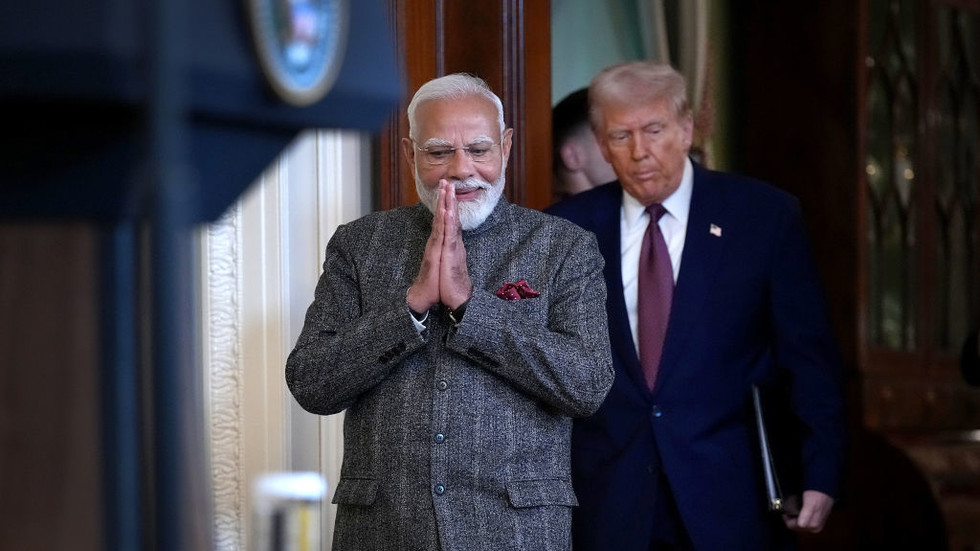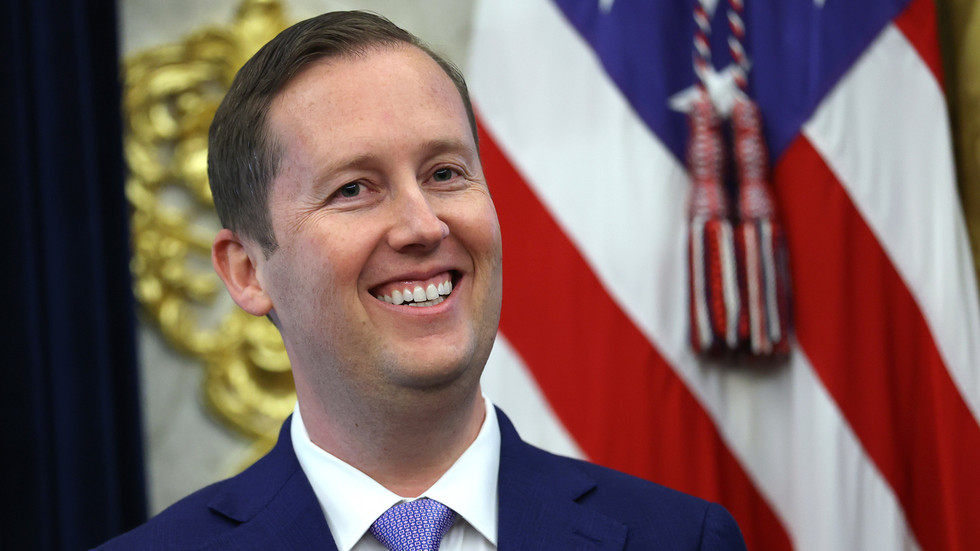
Both sets of coverage agree that Washington is pressing New Delhi to adjust its oil-import mix, with a particular focus on reducing Indian purchases of Russian crude and exploring alternative suppliers such as Venezuela. They concur that the US Ambassador to India, Sergio Gor, has publicly confirmed talks between the US Department of Energy and India’s Ministry of Energy about potential Venezuelan oil imports, and that these conversations are unfolding in parallel with broader trade discussions. Reporting also aligns on the existence of an interim India–US trade deal slated to become operational around April, following finalization of the legal text and building on earlier tariff-reduction measures between the two countries.
Coverage from both sides also acknowledges India’s consistent public stance that its energy policy is guided by “strategic autonomy” and commercial considerations rather than external political pressure. They agree that no formal agreement has been announced by either New Delhi or Moscow to halt Russian oil deliveries, despite claims from the US President that India has agreed to stop buying Russian oil. Both perspectives recognize that Russia continues to present itself as a commercially viable supplier for India, and that any shift toward Venezuelan or other non-Russian oil would need to be justified in terms of price, reliability, and long-term energy security. There is shared recognition that these issues are unfolding against a backdrop of evolving geopolitical alignments, sanctions regimes, and efforts to deepen India–US economic and strategic ties.
Areas of disagreement
Nature of US pressure. Government-aligned coverage tends to frame US moves as cooperative "persuasion" and technical energy discussions aimed at helping India diversify supplies while protecting its energy security. Opposition narratives depict this as overt pressure or arm-twisting, emphasizing the asymmetry of power and portraying Washington as leveraging its clout in ways that compromise India’s room for maneuver.
Link between oil and the trade deal. Government coverage downplays any explicit quid pro quo, presenting the interim trade agreement and oil diversification talks as parallel but distinct tracks of a broadening partnership. Opposition outlets are more likely to suggest a transactional linkage, arguing that US claims about India halting Russian oil purchases reveal an attempt to condition trade concessions on compliance with Washington’s strategic preferences.
Portrayal of Indian autonomy. Government-aligned sources highlight official statements on "strategic autonomy" as evidence that India is independently weighing commercial feasibility and resisting any external diktat. Opposition coverage questions how real this autonomy is, stressing that if India ultimately shifts from Russian to Venezuelan or other US-approved suppliers under diplomatic pressure, then the autonomy claim is more rhetorical than substantive.
Characterization of US claims. Government narratives tend to treat the US President’s assertion that India will stop buying Russian oil as either a misunderstanding or premature political spin, while reiterating that no such formal commitment exists. Opposition sources use the same claim to argue that Washington is speaking as though Indian compliance is a foregone conclusion, interpreting this as disrespect for India’s sovereign decision-making and a sign of quiet concessions by New Delhi that are not being fully disclosed at home.
In summary, government coverage tends to emphasize partnership, technical cooperation, and preserved strategic autonomy in India’s response to US requests on oil purchases, while opposition coverage tends to stress coercive pressure, implied trade–oil linkages, and an erosion or masking of India’s genuine policy independence.