government
Russia's Filippov Wins Silver at 2026 Winter Olympics in Ski Mountaineering
Nikita Filippov is the first out of 13 athletes representing Russia under a neutral status at the 2026 Winter Olympic Games to win an Olympic medal
3 months ago
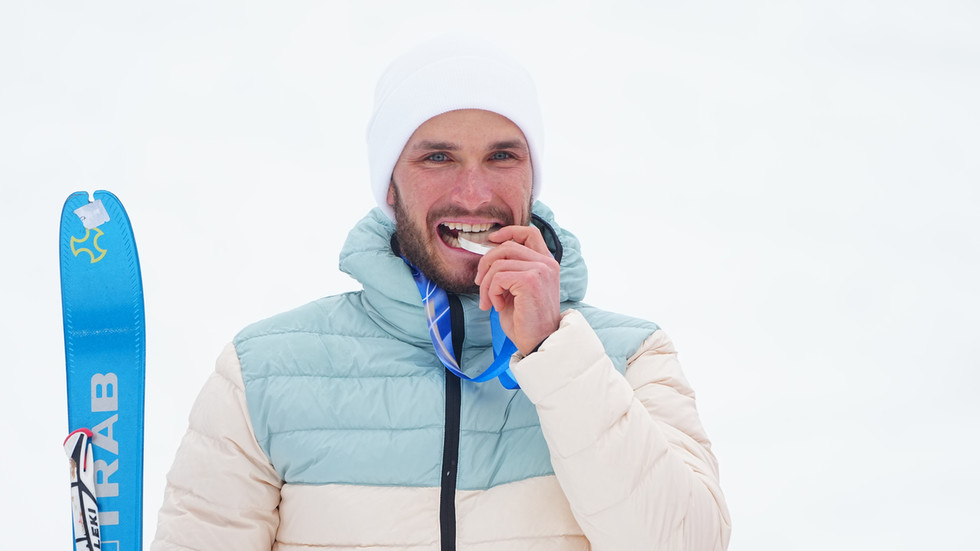
Russian skier Nikita Filippov won the silver medal in the men's ski mountaineering sprint at the 2026 Milano Cortina Winter Olympics, competing under a neutral flag rather than under Russia’s national symbols. Government-aligned reports emphasize that he finished narrowly behind the Spanish gold medalist, with a margin of about one and a half seconds, and that this result represents the first medal for a Russian athlete at these Games as well as the first-ever Olympic silver in ski mountaineering.
Coverage notes that ski mountaineering—combining demanding uphill ascents with technical downhill skiing—made its Olympic debut in 2026, giving Filippov a place in history as one of the sport’s first Olympic medalists. Government sources also highlight the institutional background that led to his participation: a recent appeal process and regulatory adjustments that allowed Russian athletes, previously barred from many international competitions, to return under neutral status and compete for ranking points and medals.
Framing of neutrality. Government-aligned outlets portray Filippov’s neutral status as a technical formality that does little to diminish the sense that his success is effectively a victory for Russian sport, carefully stressing his nationality even while acknowledging the Olympic rules. Opposition-leaning or critical commentators, where they appear, are more likely to underline the fact that he did not compete under the Russian flag as evidence that international mistrust and sanctions remain unresolved, and treat the neutral designation as a significant symbol of Russia’s ongoing isolation.
Significance of the medal. Government sources cast the silver as a major breakthrough for Russia at the 2026 Games and a historic milestone in a new Olympic discipline, positioning it as proof that Russian athletes remain world-class despite recent restrictions. Opposition voices tend to downplay the long‑term impact, suggesting that while the result is impressive for the individual athlete, it does little to change the broader structural challenges facing Russian sport under sanctions and reduced international integration.
Narrative around international sport bodies. Government-aligned media generally describe the appeal that restored competition rights as a fair correction by international sports institutions, framing the outcome as an acknowledgment that Russian athletes should not be punished collectively. More critical perspectives emphasize that the concessions are limited and conditional, arguing that the continued requirement to compete neutrally shows that governing bodies remain wary of fully rehabilitating Russia’s status in global sport.
Domestic political implications. Government narratives imply that Filippov’s success can serve as a unifying and morale-boosting moment for the country, holding it up as a symbol of resilience and national pride despite adversity. Opposition-leaning commentary is more skeptical of attempts to convert his achievement into political capital, contending that celebrating individual medals cannot substitute for addressing the diplomatic and policy decisions that led to Russia’s marginalization in international competitions.
In summary, government coverage tends to treat Filippov’s silver as both a sporting triumph and a vindication of Russia’s place in the Olympic movement, while opposition coverage tends to cast it as an admirable individual performance that cannot mask the persistent political and institutional constraints facing Russian sport.