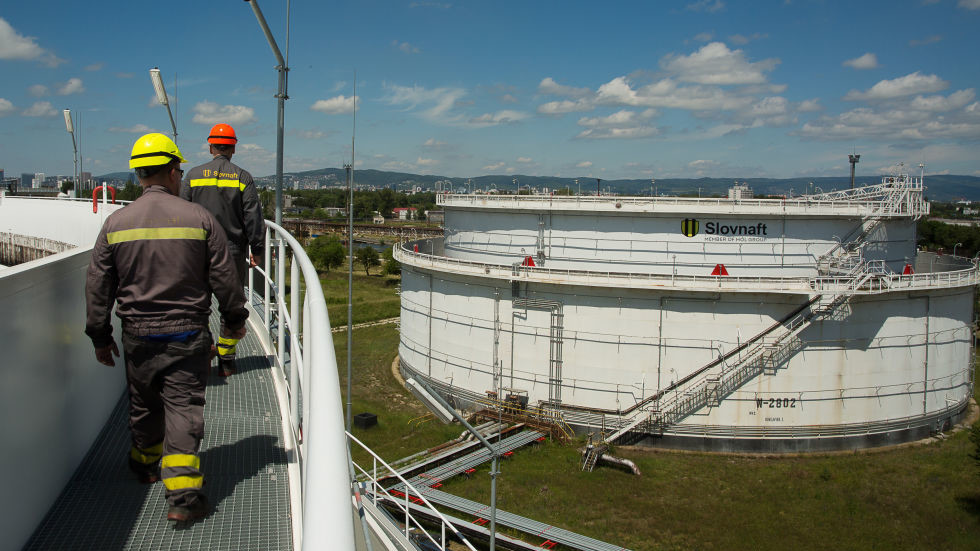
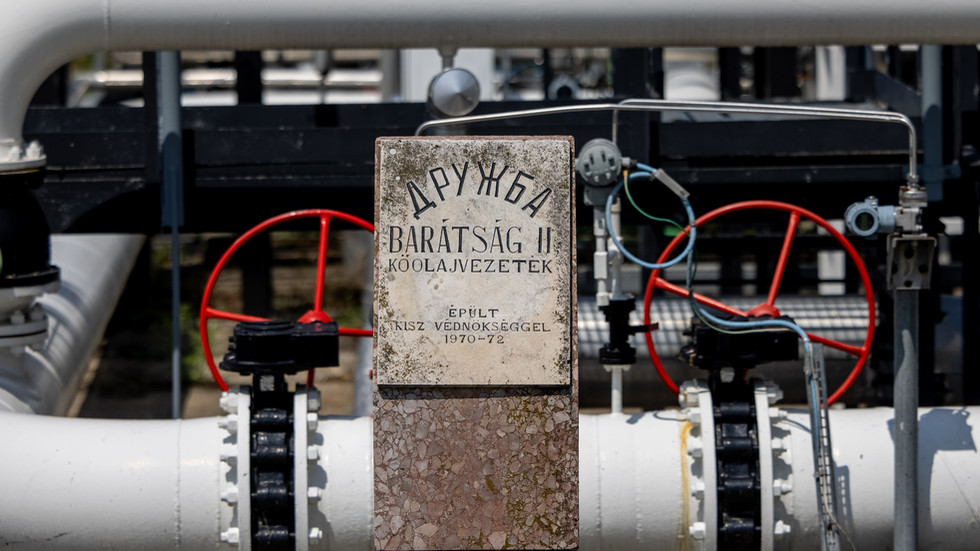
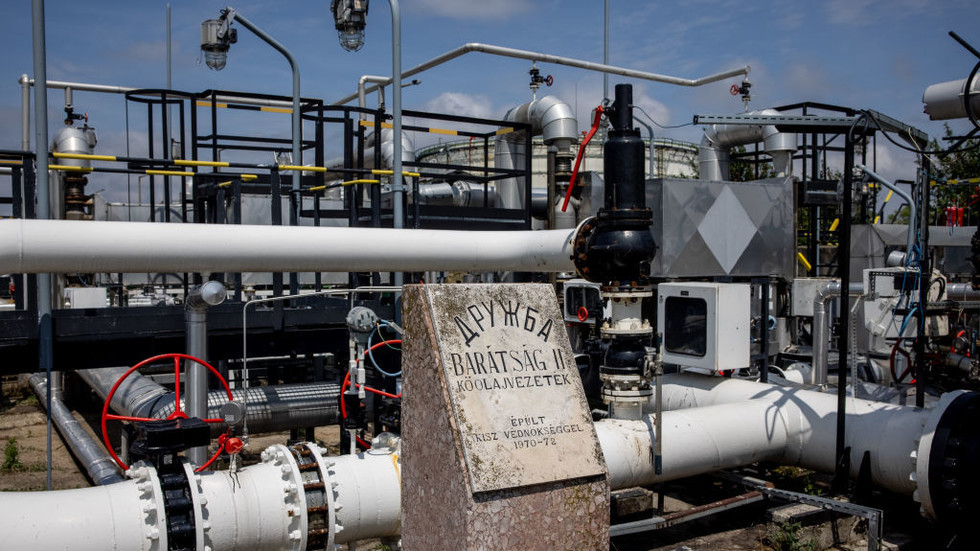
Hungarian and Slovak, as well as broader European, sources concur that oil transit through the southern branch of the Druzhba pipeline across Ukraine to Hungary and Slovakia was halted in late January–early February, interrupting Russian crude supplies to both landlocked EU states. Both sides agree that Slovakia formally declared a state of emergency or crisis situation over oil shortages, that Hungary and Slovakia have sufficient strategic reserves to cover several months of consumption, and that both governments moved to secure alternative supplies, chiefly via Russia’s seaborne deliveries through Croatia’s Adria pipeline to the port of Omisalj. There is shared reporting that Ukraine, via its operator Ukrtransnafta, has repeatedly postponed the restart of flows to Slovakia until dates around late February, that EU institutions have asked Ukraine for clarity on the repair status and restart schedule, and that the technical infrastructure is described as ready or nearly ready to resume operations.
Sources also broadly agree that the stoppage is officially linked to issues on the Ukrainian segment of Druzhba, that the European Commission has been drawn in as a mediator because two EU member states’ energy security is directly affected, and that Budapest and Bratislava have tied the disruption to broader questions about EU–Ukraine economic and political relations. All sides acknowledge that Hungary and Slovakia have responded with or threatened countermeasures in the energy sphere, including releases from strategic reserves, potential or actual halts of electricity and diesel supplies to Ukraine, and discussions about future dependence on Ukrainian transit. Reports likewise converge on the fact that these developments intersect with ongoing debates over large EU financial and military aid packages for Ukraine, EU energy security reforms launched after previous pipeline disruptions, and the longer-term push to diversify Central Europe’s energy routes away from single corridors.
Points of Contention
Responsibility and blame. Government-aligned coverage squarely attributes the stoppage to a deliberate political decision by Ukraine’s leadership, asserting that the pipeline is technically fit and that Kyiv is using energy as leverage against Hungary and Slovakia. In this telling, President Zelensky and Ukrtransnafta management are portrayed as consciously blocking flows to pressure Budapest on EU aid, EU membership talks, and domestic electoral politics. Opposition or critical outlets, where they comment, more often frame the disruption within wartime risk, sanctions complexity, or technical and regulatory uncertainties, stressing that conclusive proof of a purely political blockade is lacking and that responsibility is shared among Moscow, Kyiv, and EU policy choices.
Motives and characterization of Ukraine. Government narratives emphasize terms like political blackmail, gross interference, and malicious behavior, depicting Ukraine as an unreliable partner that violates its association agreement and undermines EU solidarity for partisan gain. They highlight statements by Hungarian and Slovak leaders accusing Kyiv of ingratitude despite prior energy and financial assistance, and present the halt as an intentional attempt to influence Hungary’s internal politics. Opposition-leaning perspectives tend instead to stress Ukraine’s precarious security situation, its need to maximize leverage in negotiations over aid and accession, and the broader context of resisting Russian aggression, casting the episode as a contentious but understandable bargaining move rather than a simple act of spite.
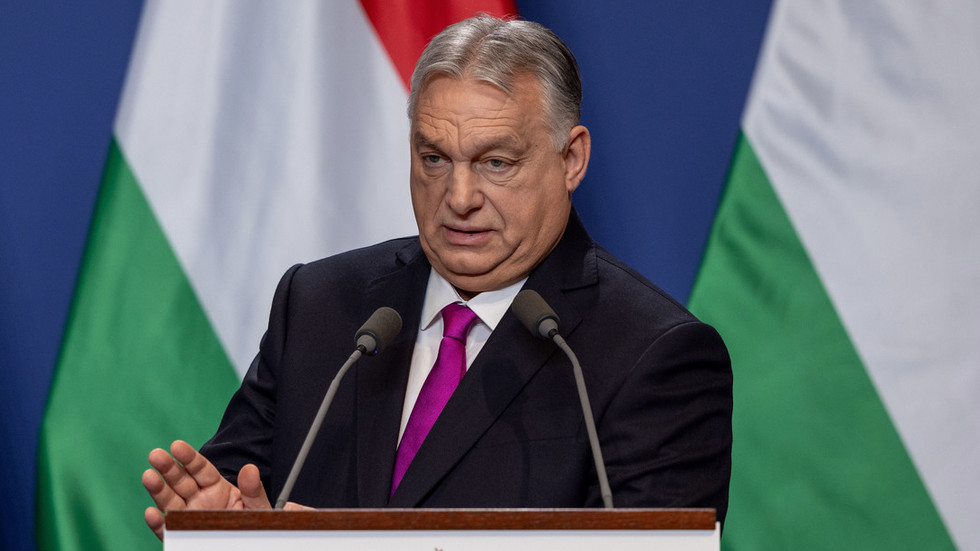
EU role and linkage to broader policy. Government-aligned outlets depict Hungary’s veto of a large EU aid package and threats to restrict diesel and electricity to Ukraine as justified defensive tools to force respect for existing agreements and ensure reciprocal benefits. They frame Brussels as complicit with Kyiv or at least biased, suggesting the EU pressures Budapest on rule-of-law and Ukraine funding while tolerating Kyiv’s disruptive behavior over Druzhba. Opposition coverage tends to portray Hungary and Slovakia as instrumentalizing the crisis to advance domestic agendas, arguing that blocking EU aid or conditioning energy flows risks fracturing EU unity, undermining support for Ukraine, and entrenching dependence on Russian supplies.
Severity and framing of the energy crisis. Government narratives stress that Ukraine’s actions have triggered an energy emergency in an EU member state, underlining the declaration of a crisis in Slovakia and warning of a looming energy war between Ukraine and Central European countries. They foreground worst-case scenarios of supply shortages, reinforce the image of Hungary and Slovakia as victims of external pressure, and highlight swift moves toward alternative Russian routes via Croatia as proof of responsible crisis management. Opposition-oriented accounts tend to downplay apocalyptic language, noting that both states possess several months of reserves and viable diversification options, and argue that invoking an energy crisis can be a strategic communication tool that amplifies fear to justify confrontational policies toward Kyiv and Brussels.
In summary, government coverage tends to portray Ukraine’s Druzhba transit halt as a calculated, hostile act of political blackmail that vindicates Hungary’s and Slovakia’s retaliatory stance and hard line in EU debates, while opposition coverage tends to situate the disruption within a broader web of wartime constraints, mutual dependencies, and domestic political maneuvering, casting the government response as escalatory and opportunistic rather than purely defensive.
Story coverage