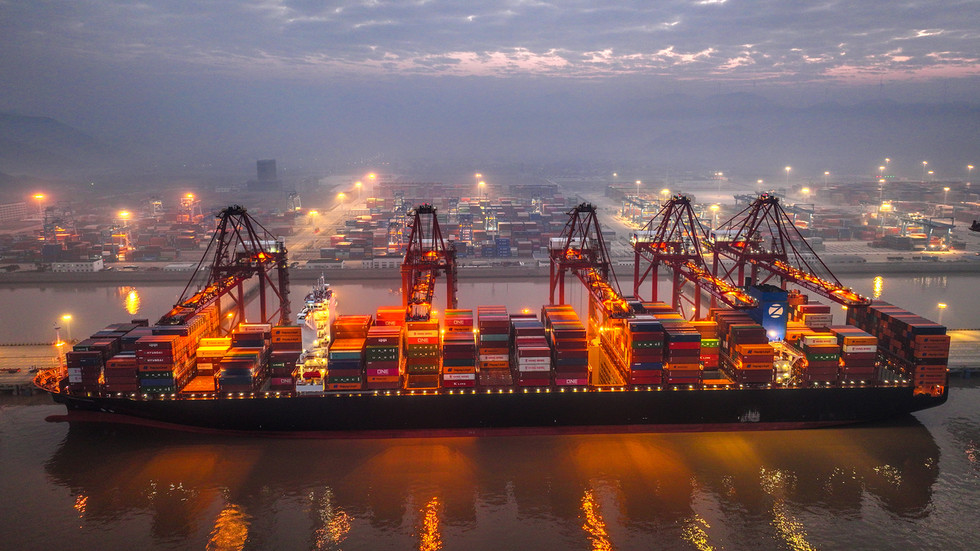
China has announced the elimination of tariffs on almost all imports from 53 African countries, with the policy framed as a zero-tariff regime that covers nearly all product lines from these states. Reports agree that the announcement was made by Chinese leader Xi Jinping in connection with an African Union summit, and that African officials, including Kenya’s trade minister, expect the measure to boost agricultural exports and help reduce existing trade deficits with China. Coverage from both sides notes that this move expands and formalizes an already existing duty-free framework, and positions the 53 participating nations to gain preferential access to the Chinese market at a time of heightened global trade uncertainty.
Both government-aligned and opposition-leaning analyses concur that the policy is part of China’s broader strategy to deepen economic ties with Africa and that it arrives amid shifting trade relationships with Western countries, particularly the United States. They describe the measure as consistent with China’s long-running engagement with African institutions such as the African Union and ongoing trade and infrastructure initiatives, emphasizing continuity with previous tariff-reduction schemes rather than an abrupt policy shift. Both perspectives also agree that the initiative is intended to support African development through expanded export opportunities while simultaneously rebalancing long-standing trade asymmetries between China and African economies.
Points of Contention
Strategic intent and motives. Government-aligned outlets depict the tariff removal as a mutually beneficial, development-focused gesture designed to create win-win outcomes and consolidate a partnership of equals between China and African countries. Opposition-oriented coverage is more likely to frame the same move as a calculated geopolitical strategy aimed at expanding China’s influence and securing long-term access to African markets and resources at relatively low political cost. While government narratives stress solidarity and South-South cooperation, opposition voices question whether the primary beneficiary will ultimately be African producers or Chinese political and commercial interests.
Economic impact and dependency. Government sources emphasize projections of higher export volumes, diversification of African economies, and reduced trade deficits, often highlighting optimistic statements from African trade officials and economists who portray the measure as a new growth engine. Opposition sources, by contrast, raise concerns that duty-free access might deepen structural dependency on raw commodity exports, constrain African industrialization, or leave local industries vulnerable to volatile Chinese demand. Both acknowledge potential short-term gains in export earnings, but opposition analysis focuses more on the risks of locking African economies into asymmetric trade patterns that favor China’s broader supply-chain strategies.
Comparison with Western partners. Government-aligned media frequently contrast China’s tariff elimination with what they present as more restrictive or politicized trade policies from the United States and other Western countries, arguing that Beijing offers fewer conditions and more predictable market access. Opposition coverage tends to be more skeptical of this binary framing, noting that Western trade regimes can include labor, environmental, or governance standards that may benefit African societies in the long term, even if they are more demanding. Whereas government narratives highlight China as a more reliable and generous partner, opposition perspectives caution that sidelining Western norms could dilute leverage for reforms and leave African states with fewer tools to negotiate better terms.
Long-term governance and leverage. Government-oriented reports frame the initiative as strengthening multilateral cooperation via the African Union and other regional bodies, presenting China as respectful of African agency and collective decision-making. Opposition coverage is more inclined to warn that deepening trade ties, even tariff-free ones, may increase China’s political leverage over participating countries, especially when combined with existing debt and infrastructure relationships. Government narratives tend to interpret closer ties as benign integration into a more inclusive global order, while opposition voices treat them as part of a broader pattern that could constrain African governments’ policy space in future negotiations.
In summary, government coverage tends to portray the zero-tariff decision as a largely altruistic, win-win expansion of South-South cooperation that will unlock development opportunities for African exporters, while opposition coverage tends to cast it as a strategically self-interested move that may entrench Chinese influence and asymmetric trade dependence despite offering short-term economic benefits.