government
Ukrainian Olympic athlete disqualified for defying helmet ban
Ukrainian Vladislav Geraskevich has been disqualified from the Milano Cortina Winter Olympics for defying rules on political expression
3 months ago
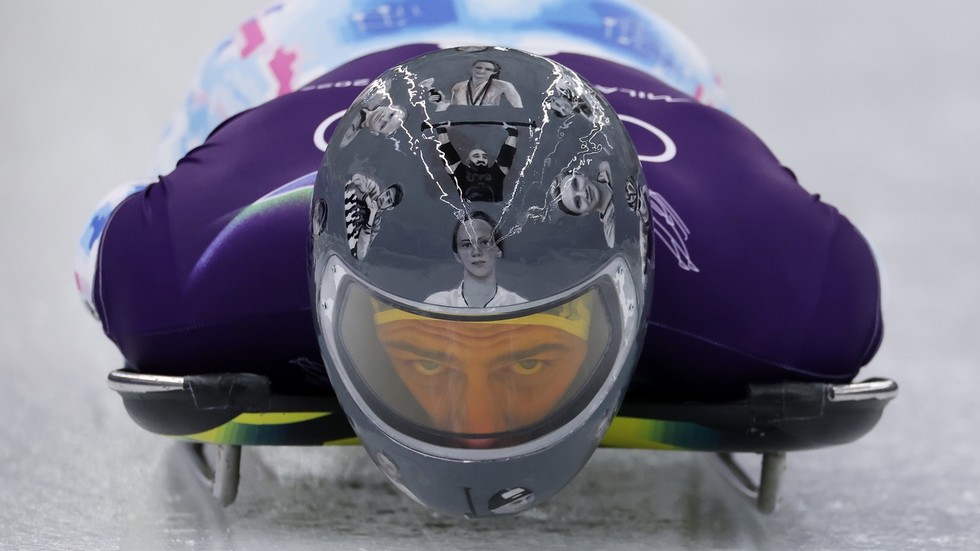
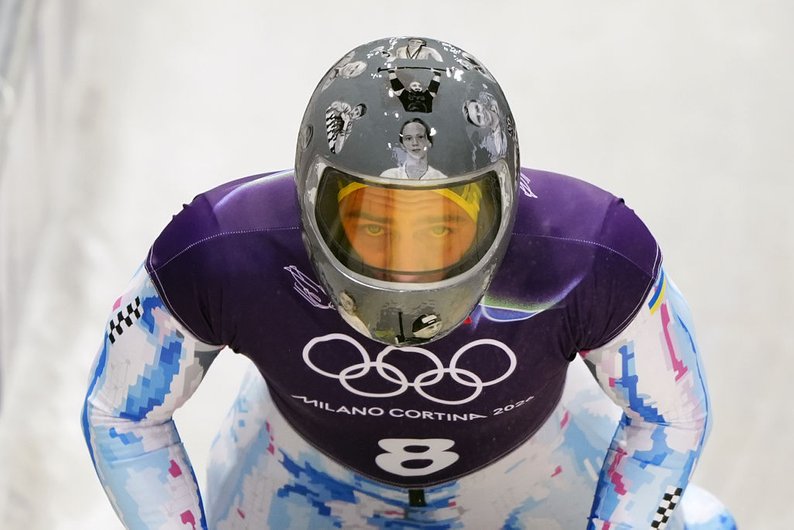
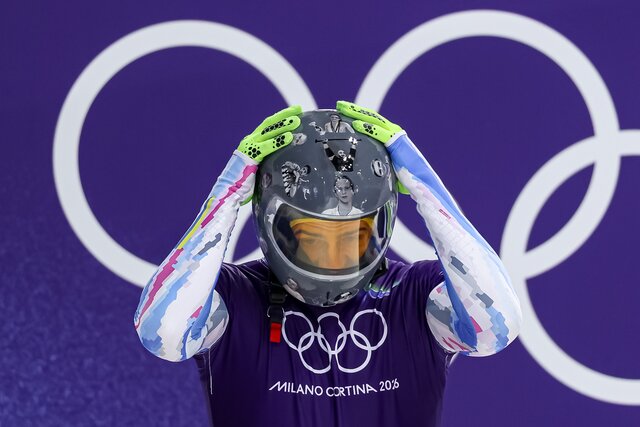
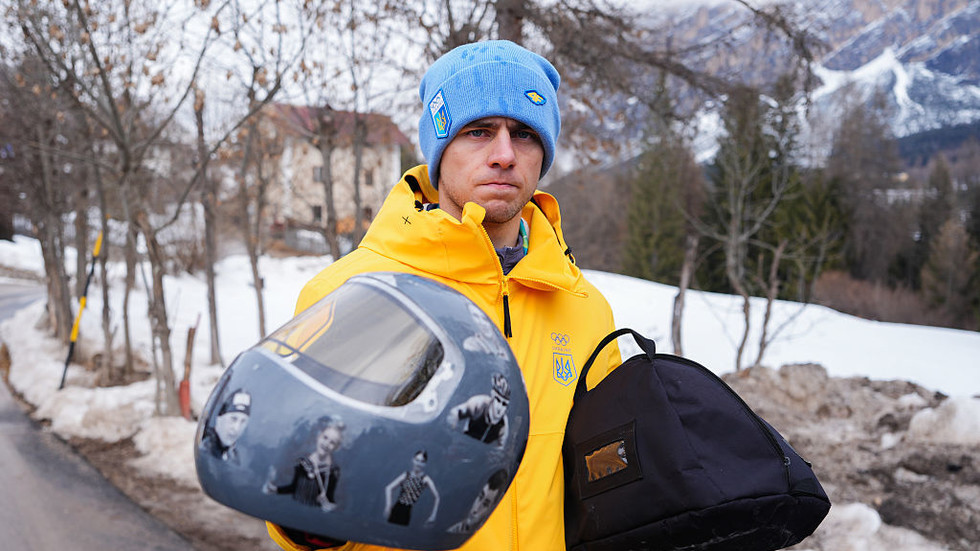
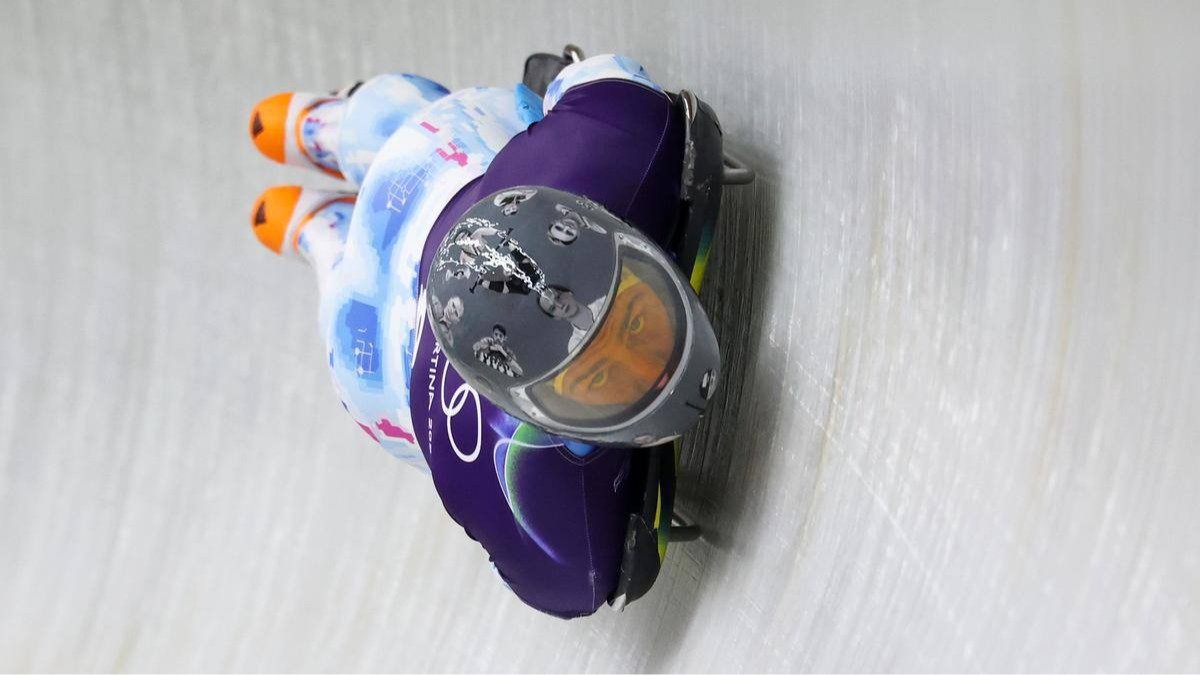
Ukrainian skeleton pilot Vladyslav/Vladislav Heraskevych (Geraskevich) was disqualified from participation in the Milano Cortina 2026 Winter Olympics after refusing to remove or alter a competition helmet depicting portraits and names of Ukrainian athletes killed in the war with Russia, which the International Olympic Committee and relevant sports federation said violated guidelines on political messages and athlete self‑expression. Both government-aligned and opposition-leaning coverage agree that the IOC and the international skeleton federation presented Heraskevych with several proposed compromises, including changing or covering the imagery during competition and displaying the helmet outside events, that he rejected; they also concur that similar restrictions were applied to at least two other Ukrainian athletes over helmet inscriptions, and that the IOC publicly defended its rules as content‑neutral and necessary for maintaining political neutrality at the Games.
Across both media camps, reports emphasize the broader institutional context of IOC regulations that limit political or conflict-related messaging on athlete equipment and uniforms, framing the decision within long‑standing rules rather than an ad hoc sanction. They also converge in noting the parallel controversy over Russian athletes being allowed to compete under a neutral flag despite the ongoing war, the subsequent criticism from Ukrainian officials including President Volodymyr Zelensky and the Foreign Ministry, and the IOC’s argument that a blanket ban on athletes from warring states would hollow out the Olympic movement. Shared coverage highlights that the debate touches on the IOC’s neutrality doctrine, the balance between freedom of expression and uniform rules in elite sport, and the reputational risks the Olympic institutions face amid global conflicts.
Nature of the rule violation. Government-aligned sources stress that Heraskevych’s helmet honored fallen athletes and did not contain overt political slogans, casting the portraits as a human and moral tribute that clashes with an overly rigid IOC bureaucracy. Opposition outlets, while also sympathetic to the tribute, more explicitly accept that the IOC and the sport’s federation classified the imagery as political under existing expression rules, underscoring that the disqualification flowed from codified guidelines on venue and equipment rather than from the message’s content.
IOC neutrality and alleged bias. Government coverage strongly amplifies Zelensky’s charge that the decision shows the IOC objectively siding with the aggressor by silencing Ukrainian symbols of suffering while still permitting Russian participation under a neutral banner. Opposition reporting, though critical, frames the IOC primarily as obsessively legalistic and image-conscious, suggesting its main aim is to avoid precedent and controversy, and portrays accusations of pro-Russian bias more as a political narrative than an empirically proven tilt.
Responsibility and political messaging. Government-aligned media put the spotlight on the IOC’s leadership, arguing that their insistence on formal neutrality amounts to moral abdication, and that they bear responsibility for equating a memorial helmet with political propaganda. Opposition outlets more evenly distribute responsibility, noting that Heraskevych knowingly defied repeated warnings and rejected compromise offers, presenting his disqualification as a collision between an athlete’s deliberate act of protest and inflexible institutions rather than a one-sided abuse of power.
Framing of Ukrainian response. Government sources celebrate Heraskevych’s actions as patriotic defiance, highlighting Zelensky’s decision to award him the Order of Freedom and depicting the broader Ukrainian reaction as a unified stand against an unjust IOC. Opposition sources also note the award and official criticism but frame them as part of a calculated domestic political message, emphasizing how the incident is used to rally public opinion and pressure international bodies rather than as purely spontaneous moral outrage.
In summary, government coverage tends to portray the IOC’s decision as moral failure and implicit complicity with Russian aggression, casting Heraskevych as a principled patriot punished for honoring the war dead, while opposition coverage tends to accept the existence of rule-based grounds for the disqualification, criticizing the IOC’s rigidity and optics but also emphasizing the athlete’s conscious act of protest and Kyiv’s use of the episode in broader political messaging.