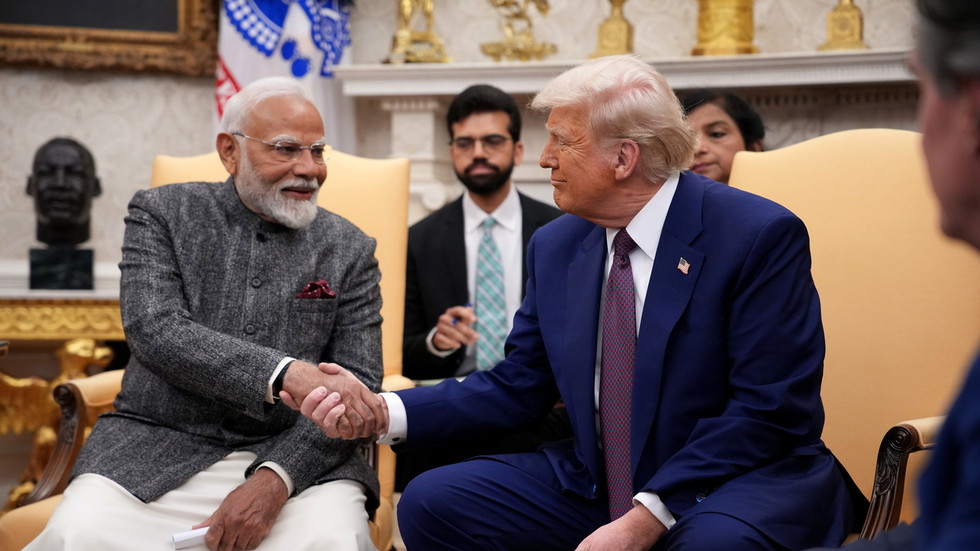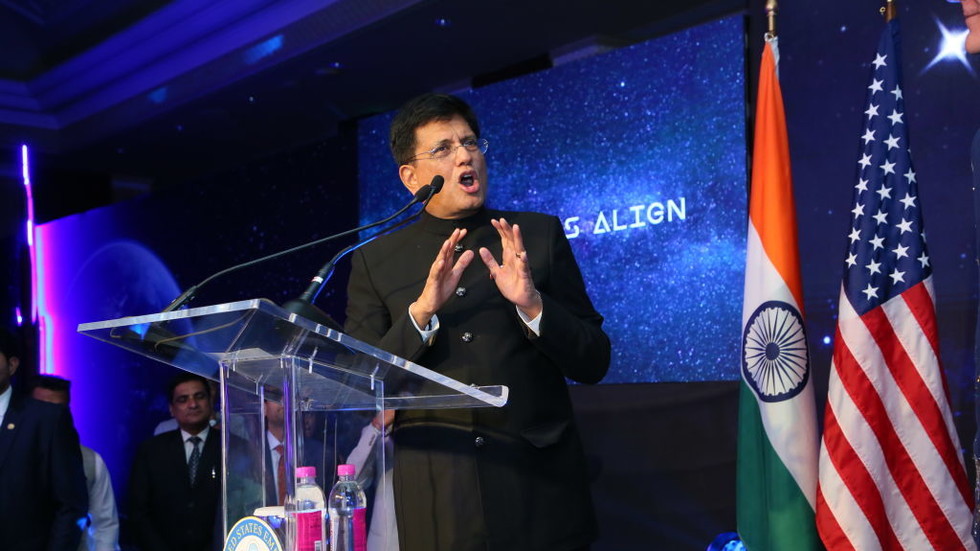
The United States has announced a new trade deal with India that includes a reduction of Indian tariffs on certain US goods from 25% to 18% and a parallel US decision to lift an additional 25% tariff previously imposed on Indian products. The move follows a period of strained trade relations in which US tariffs targeted Indian goods, partly linked to India's purchases of Russian oil, and now an executive order signed by President Donald Trump sets February 7 as the effective date for the new tariff policy. President Trump has publicly claimed that India agreed under this deal to halt purchases of Russian crude oil and instead increase imports from the US and possibly Venezuela, while Prime Minister Narendra Modi and Indian officials have confirmed the existence of the trade deal and tariff changes but have not explicitly confirmed an immediate stop to Russian oil imports. Indian Trade Minister Piyush Goyal has outlined that the agreement will preserve protections for India’s agriculture and dairy sectors while expanding opportunities in sectors such as MSME, engineering, gems and jewelry, leather, textiles, and marine products.
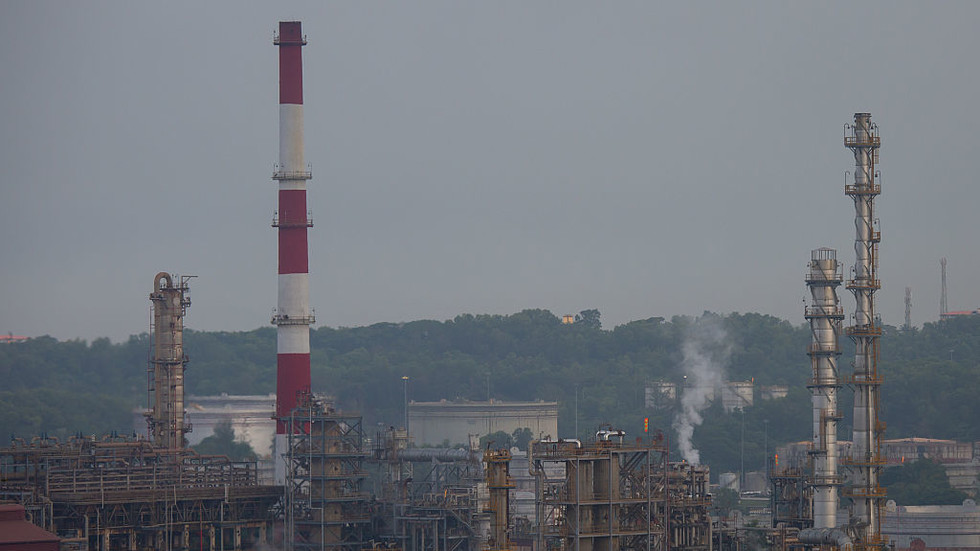
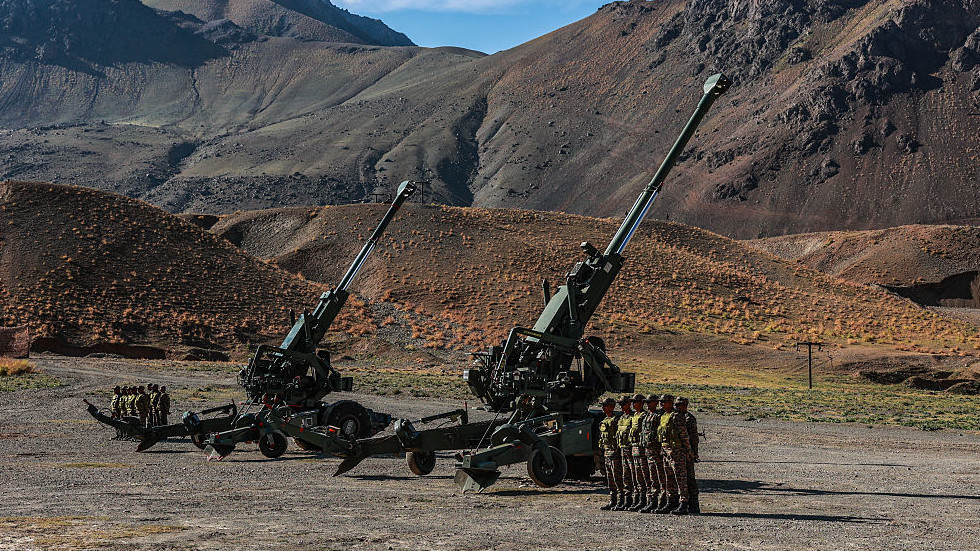
Shared context in the coverage highlights India’s broader economic and strategic position, including its role as a major energy importer and its reliance on Russian crude for a substantial portion of its oil needs. Commentaries note that any abrupt halt to Russian oil purchases could disrupt global oil markets and impede India’s growth, so refiners would likely require a wind-down period for existing contracts rather than an instant cutoff. The trade deal is situated alongside India’s record $85 billion military budget for 2026–27, reflecting increased defense spending, modernization drives, and ongoing procurement partnerships, including with Russia, even as India deepens ties with the US. Institutions such as the Indian trade ministry, the US administration, and Kremlin officials are all referenced as key actors, and there is consensus that India is trying to balance its strategic autonomy, protect sensitive domestic sectors, and capitalize on new export opportunities while navigating pressure over its Russian energy links.
Points of Contention
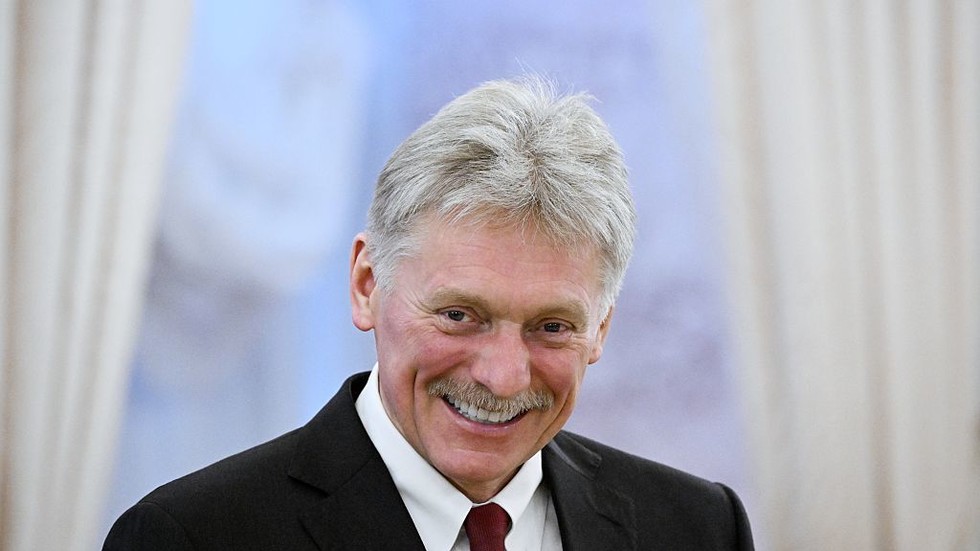
Status of Russian oil commitments. Government-aligned coverage in the US emphasizes President Trump’s assertion that India has agreed to cease purchases of Russian oil, treating it as a notable diplomatic win and a core element of the new trade arrangement. By contrast, opposition-oriented or critical readings focus on Russia’s statement that it is unaware of any such decision and on India’s silence on an explicit halt, portraying the US claim as, at best, aspirational or premature. Government narratives frame December’s dip in Indian Russian oil imports as evidence that a shift is underway, while opposition perspectives stress that a dip does not equal a binding commitment and highlight that Indian refiners still need time to unwind existing contracts.
Motives behind the US tariff rollback. In government-friendly accounts, the lifting of the additional 25% US tariff on Indian goods is presented as a reward for India’s cooperation on strategic issues, especially energy realignment away from Russia, and as proof that assertive tariffs can be reversed once partners fall into line. Opposition readings instead cast the rollback as driven by US economic self-interest and pressure from American exporters seeking better access to India’s market, arguing that the oil narrative is being overemphasized to dress up a pragmatic trade recalibration as a geopolitical victory. While government sources stress presidential decisiveness and conditionality, opposition commentary underscores domestic lobbying and the need to repair self-inflicted trade frictions.
Characterization of India’s strategic autonomy. Government-aligned US coverage tends to depict India as moving more firmly into the US camp, interpreting the trade deal, reduced tariffs, and talk of shifting oil purchases as signs that Washington’s pressure is successfully reorienting New Delhi away from Moscow. Opposition voices highlight India’s continued defense cooperation with Russia, its record military budget that still envisages Russian-linked procurement, and its explicit insistence on protecting sensitive sectors as evidence that India is hedging, not aligning. Where government narratives treat the deal as a marker of clear strategic convergence, opposition narratives frame it as one tactical adjustment in a broader policy of non-alignment and multi-vector balancing.
Domestic economic impact framing. Government-oriented reporting in the US tends to stress the benefits to American exporters and workers, highlighting reduced Indian tariffs on US goods and new market opportunities as proof that the administration is securing better deals abroad. Opposition-leaning analysis focuses more on the potential costs and risks for India, noting concerns in agriculture and dairy, possible exposure of small producers, and the uncertainty tied to energy shifts away from cheaper Russian crude. Thus, government coverage foregrounds gains in bilateral trade volumes and symbolic success, while opposition coverage foregrounds distributional effects, implementation challenges, and whether India is conceding too much for limited tangible relief.
In summary, government coverage tends to frame the trade deal as a clear diplomatic and economic win that is already steering India away from Russian oil and toward closer alignment with US strategic and commercial interests, while opposition coverage tends to question the reality and scope of the oil commitments, emphasize India’s ongoing ties to Russia and domestic constraints, and portray the agreement as a more modest, interest-driven recalibration rather than a decisive geopolitical shift.
Story coverage