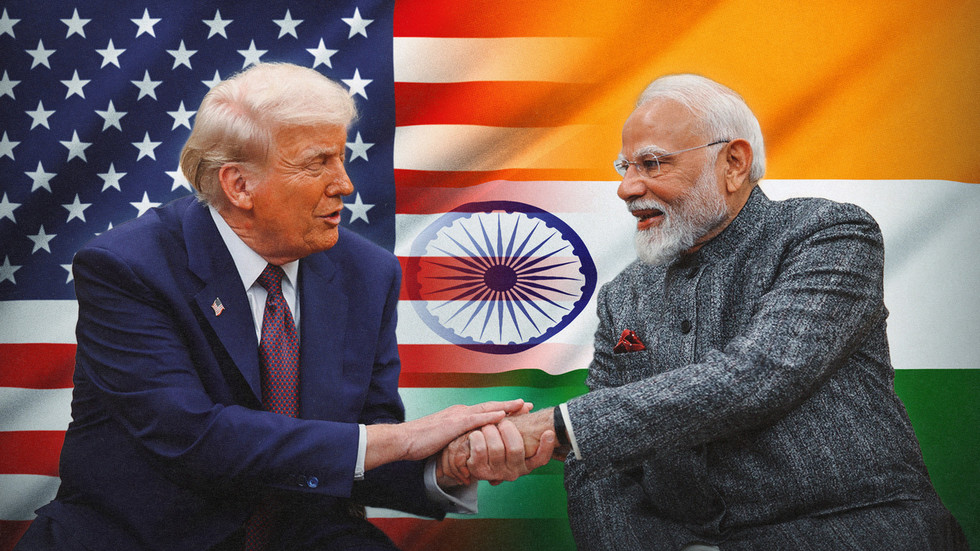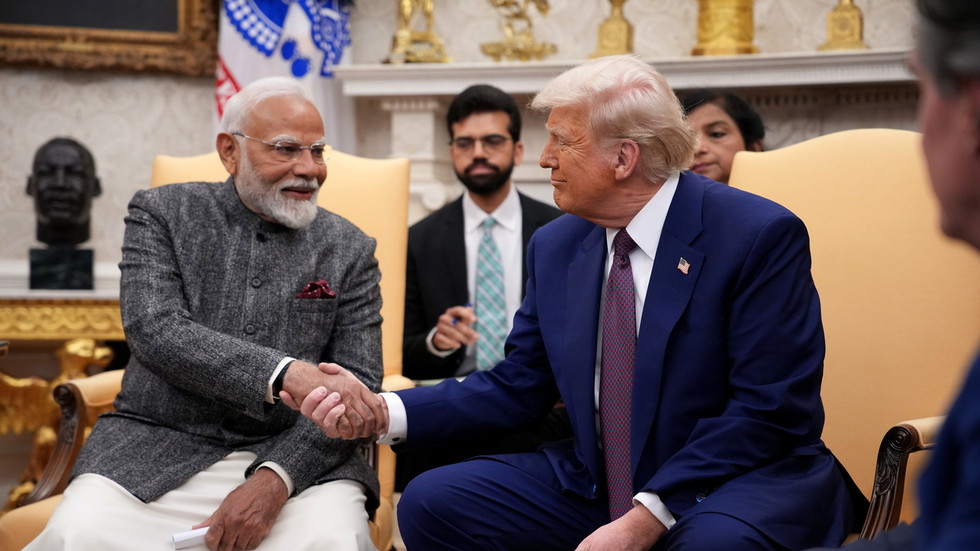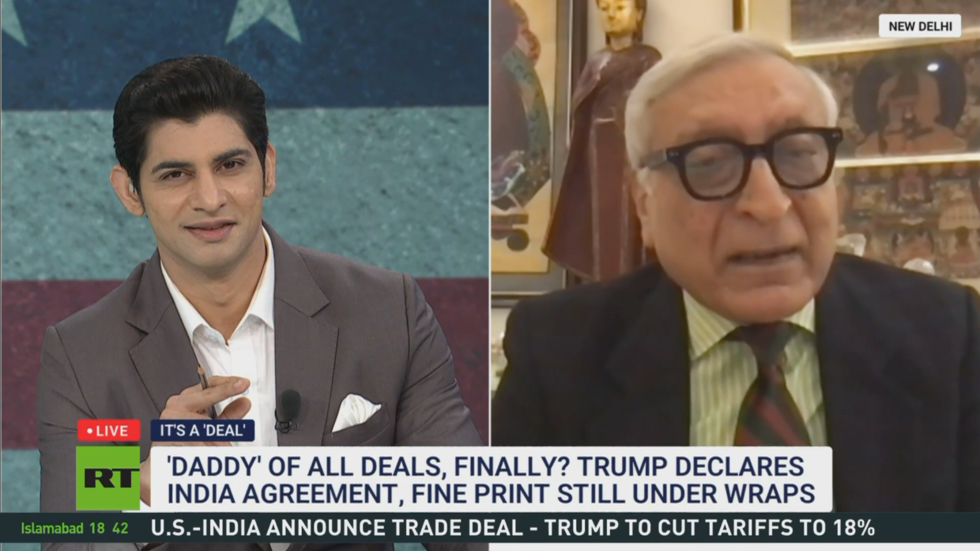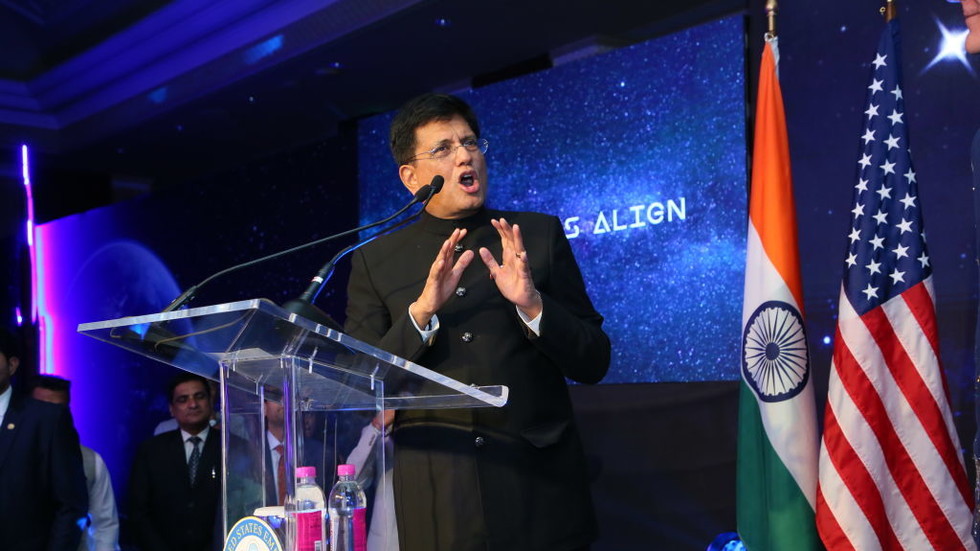
The latest coverage agrees that the United States and India have announced a new trade deal, unveiled in public remarks by President Donald Trump alongside Prime Minister Narendra Modi. Both sides report that India has committed to lower certain tariffs on US goods, with figures like a reduction from roughly 25% to around the high-teens repeatedly cited, and that the agreement is expected to expand bilateral trade volumes significantly by 2030. Reports concur that Indian officials are highlighting opportunities for sectors such as textiles, gems and jewelry, engineering goods, leather, marine products, and auto components, while maintaining protection for sensitive agricultural and dairy segments. Markets are described as reacting positively, with Indian stock indices rising and the rupee strengthening on expectations of increased exports, improved investor sentiment, and a more stable trade environment.
Across outlets, there is shared context that this agreement follows a period of strained trade talks, including US tariffs on some Indian products and frictions over India’s energy ties with Russia. There is consensus that India is trying to balance its economic priorities—protecting domestic farmers and small producers—while gaining better access to the US market and signaling openness to reform in labor‑intensive sectors. Analysts on all sides frame the deal as part of a broader strategic alignment between Washington and New Delhi, with trade policy increasingly intertwined with geopolitical considerations like energy security and global supply chains. It is also commonly noted that some details of the deal remain under negotiation, and that implementation will likely be phased, especially where existing contracts and regulatory adjustments are involved.
Points of Contention
Scope and scale of concessions. Government-aligned coverage emphasizes Trump’s claim that India is making substantial tariff cuts, presenting the reduction from 25% toward 18% as emblematic of a broader opening and sometimes echoing talk of movement toward very low or even zero tariffs on some American goods. More critical or opposition-leaning voices stress statements by Indian officials and former diplomats who say that while tariffs are being reduced in selected sectors, zero tariffs across the board—especially in agriculture—are highly unlikely. Government messaging tends to highlight headline numbers and ambitious trade targets like the goal of surpassing 500 billion dollars in bilateral trade, whereas opposition narratives question whether the announced figures reflect final, legally binding commitments or are being overstated for political impact.
Agriculture and domestic protection. Government-oriented reports frame India’s assurances on protecting agriculture and dairy as proof that the agreement is balanced, arguing that Indian negotiators have secured growth opportunities in MSME, textile, gems, and engineering sectors without sacrificing farmer interests. Opposition commentary, while acknowledging these formal protections, more often raises the concern that incremental tariff changes and future rounds of talks could gradually expose vulnerable rural producers to external pressure. While pro-government sources underline ministerial statements that agriculture is off the table for deep liberalization, opposition voices dissect the fine print and sequencing of negotiations, warning that defensive red lines may erode under continued US demands.
Energy and Russia linkages. Government coverage tends to highlight Trump’s assertion that Modi agreed to curb purchases of Russian oil and increase imports from the US and potentially Venezuela, portraying this as evidence that the trade deal supports broader strategic realignment and energy diversification. Opposition-leaning analysts give more weight to Russia’s denial of any such commitment and to the absence of a clear, public Indian pledge to halt Russian crude, presenting the US claim as diplomatically convenient but unsubstantiated. While government narratives link the trade opening to India’s willingness to adjust its energy basket in line with Western interests, opposition coverage questions both the feasibility of a rapid shift and whether trade concessions are being tied to foreign policy choices in ways that could raise India’s energy costs and geopolitical risks.
Credibility and political framing. Pro-government outlets often treat Trump and Modi’s joint announcement as a diplomatic success story, focusing on crowd-pleasing aspects like market rallies, export gains, and the symbolism of overcoming past trade disputes. Opposition-aligned commentary, by contrast, scrutinizes inconsistencies between Trump’s rhetoric and Indian officials’ cautious briefings, suggesting that some claims—such as sweeping tariff eliminations or firm oil commitments—may be designed more for domestic political audiences than for accurate policy signaling. As a result, government narratives center on the optics of strong leadership and strategic partnership, whereas opposition narratives foreground doubts about transparency, negotiation leverage, and whether the benefits match the fanfare.
In summary, government coverage tends to accentuate the deal’s scale, strategic alignment with the US, and promised economic gains with relatively few caveats, while opposition coverage tends to stress the uncertainty over the exact concessions, question politically charged claims on tariffs and Russian oil, and warn about long‑term risks to domestic sectors and policy autonomy.
Story coverage