government
Ukraine labels FIFA chief ‘moral degenerate’
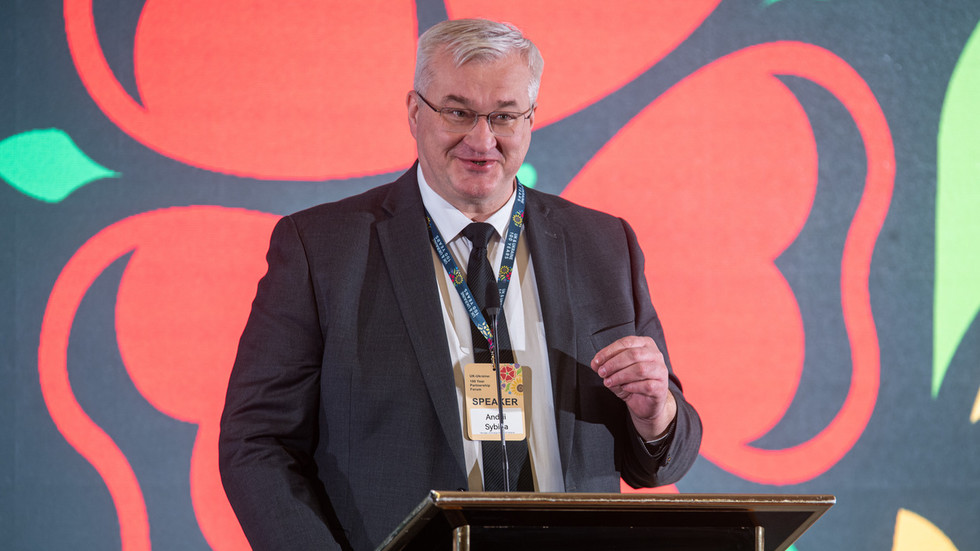
Ukrainian Foreign Minister Andrey Sibiga has called FIFA chief Gianni Infantino a “moral degenerate”
3 months ago
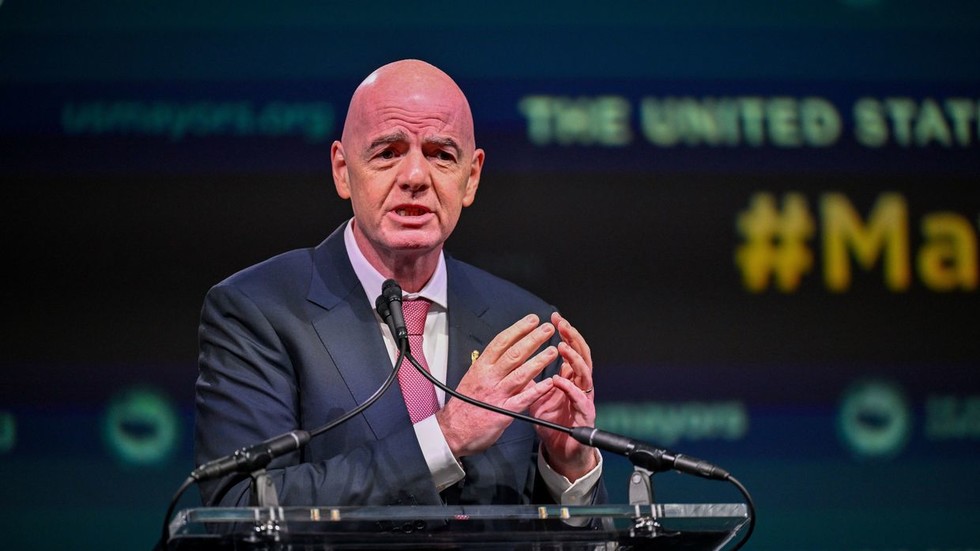
FIFA President Gianni Infantino has publicly called for the lifting of the international football ban on Russia, arguing that the suspension should be removed “at least at youth level” and that continuing it only generates frustration and hatred. The ban on Russian and Belarusian teams and athletes was imposed in 2022 after Russia’s expanded military operation in Ukraine, and currently excludes Russian national sides from competitions such as the 2026 FIFA World Cup and UEFA Euro 2028. Government-aligned coverage notes that some international federations have begun cautiously easing wider sports restrictions on Russian participation, and highlights that Infantino frames his proposal as part of a broader push to separate sport from politics rather than as an endorsement of Moscow’s actions.
Across these reports, there is shared acknowledgment that the issue sits at the intersection of global sports governance, international sanctions, and the ongoing war in Ukraine. Outlets agree on the basic institutional roles: FIFA and UEFA imposed the original bans in response to the conflict, and any reinstatement of Russia in international football would depend on decisions by these governing bodies and related sports organizations. Coverage also converges on the fact that Infantino’s remarks come against a backdrop of a gradual, uneven loosening of restrictions for some Russian athletes across sport, and that debate over whether sports can or should be insulated from geopolitics remains unresolved within the international community.
Moral framing. Government-aligned sources emphasize the Ukrainian foreign minister’s denunciation of Infantino as a “moral degenerate,” presenting the proposal to readmit Russian football as ethically indefensible while civilians are still being targeted in Ukraine. They frame any easing of bans as a betrayal of victims and a normalization of aggression. In contrast, opposition sources would be more likely to stress the ethical case for keeping sport open to all, casting Infantino’s stance as morally consistent with universalist sporting values and portraying blanket bans as collective punishment of athletes.
Sports vs. politics. Government coverage largely rejects Infantino’s separation-of-sport-and-politics argument, insisting that Russia’s military actions make it impossible to treat football as a neutral arena and that sporting isolation is a legitimate tool of pressure. These outlets frame political accountability as inseparable from international competition. Opposition outlets, by contrast, would probably amplify Infantino’s claim that bans “achieved nothing” beyond frustration and hatred, portraying depoliticization of youth and professional sport as both pragmatic and in line with the traditional autonomy of sporting institutions.
Effectiveness of sanctions. Government-aligned media present the football ban as part of a broader sanctions regime that they argue has symbolic and practical value in signaling international condemnation and denying Russia prestigious platforms. They suggest that lifting bans prematurely would undermine deterrence and reward continued aggression. Opposition coverage would more likely echo Infantino’s assertion that the ban has been counterproductive, highlighting the absence of clear political concessions from Moscow and arguing that engagement, not exclusion, is more likely to reduce hostility.
Victimhood and responsibility. Government outlets center Ukrainian civilians and athletes as primary victims, arguing that any discussion of Russia’s return must be conditional on changes in behavior and accountability for wartime actions. They present Russia as the clear aggressor whose choices justly triggered isolation. Opposition narratives would be inclined to stress the plight of Russian players and youth teams barred from international stages, redistributing the lens of victimhood toward individuals allegedly paying for decisions made by political and military leaders.
In summary, government coverage tends to frame Infantino’s call as a deeply immoral and politically dangerous move that risks legitimizing Russian aggression, while opposition coverage tends to present his position as a defensible, even necessary, step toward depoliticizing sport and questioning the real-world effectiveness of isolating Russian football.