government
Trump’s ‘armada’ on Iran’s doorstep: What we know so far
The US has redeployed an aircraft carrier group, warplanes, and air defenses in the Middle East as tensions with Iran rise
3 months ago
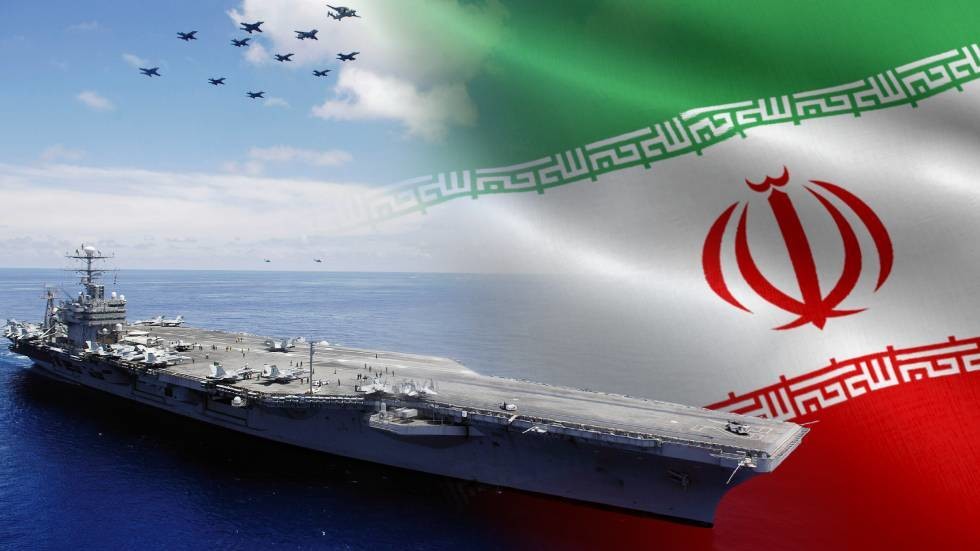
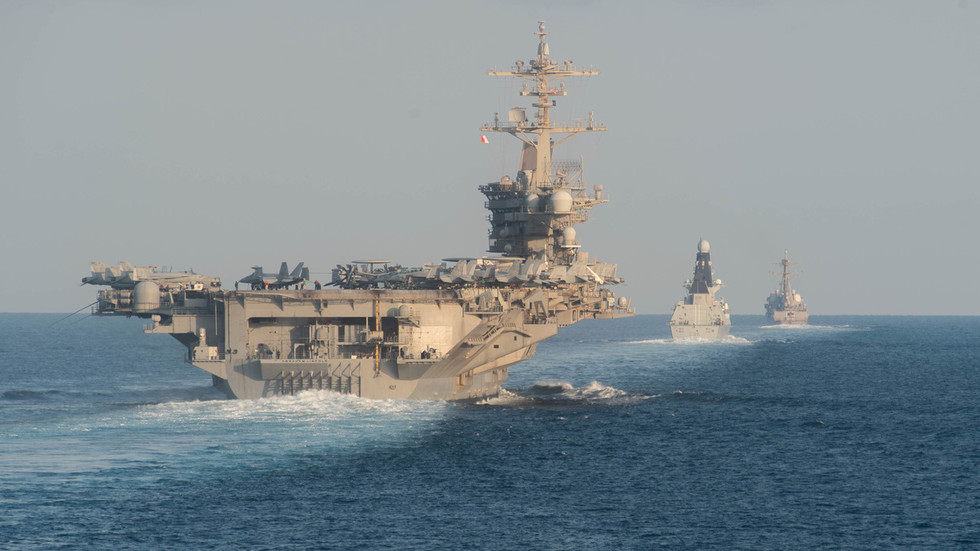
The latest reports from government-aligned outlets state that former US President Donald Trump has announced the deployment or positioning of a large US naval force, repeatedly described as an “armada,” “massive fleet,” or “significant military force,” in the vicinity of Iran. These reports consistently reference an aircraft carrier group led by the USS Abraham Lincoln and additional warplanes or naval assets, with Trump suggesting the force is capable of rapid, forceful action reminiscent of past operations he associates with Venezuela, and that it is already near or heading toward Iranian waters while the United States “watches” events in Iran closely.
Across these accounts, there is agreement that the backdrop includes severe unrest and protests in Iran, which Iranian authorities attribute to foreign interference and “terrorist” elements amid economic hardship. The government-aligned coverage situates Trump’s rhetoric within the broader, long-running dispute over Iran’s nuclear program, referencing past nuclear deals and alleged US actions against Iranian nuclear capabilities, and presenting the current buildup as both a show of deterrent force and a lever to push Iran toward renewed negotiations.
Nature of the deployment. Government-aligned coverage portrays Trump’s “massive fleet” and “beautiful armada” as an accomplished, concrete military posture, emphasizing specific platforms such as the Abraham Lincoln and suggesting readiness for Venezuela-style operations against Iran. Opposition outlets, where they exist, are more likely to question whether such a deployment actually matches the scale and immediacy of Trump’s rhetoric, scrutinizing timelines, force composition, and official Pentagon confirmations. While government sources treat movement of forces as a straightforward fact, opposition reporting tends to frame the language as potentially exaggerated signaling whose operational details remain opaque or unverified.
Motives and strategy. Government-aligned reports highlight Trump’s stated goal of compelling Iran back to the table for a “quick” nuclear deal, casting the fleet as a pressure tool designed to accelerate diplomacy while keeping military options open. Prospective opposition coverage would be expected to probe whether this is genuine diplomacy backed by force or primarily a political show of strength aimed at domestic audiences, including Trump’s supporters. Government narratives emphasize urgency and deterrence, while opposition sources often stress escalation risks, mixed messages, and the possibility that militarized bargaining undermines long-term regional stability.
Portrayal of Iran and the unrest. Government-aligned outlets echo Iranian authorities’ claims that unrest stems from foreign interference and terrorism, while simultaneously amplifying Trump’s support for protesters and framing Iran’s leadership as intransigent on nuclear issues. Opposition outlets are more inclined to foreground internal socioeconomic grievances, human rights concerns, and the autonomy of Iranian protesters rather than attributing events mainly to outside manipulation. In this framing contrast, government-aligned coverage leans toward a narrative of a hostile regime under pressure from both its people and US power, whereas opposition sources tend to decouple protest dynamics from US military signaling.
Historical claims and credibility. Government-aligned reporting repeats Trump’s assertions that the US had already neutralized Iran’s nuclear capabilities by 2025 and references a previous nuclear deal offer Iran allegedly rejected, integrating these into a story of consistent US toughness. Opposition outlets, by contrast, are prone to interrogate the factual basis of these retrospective claims, comparing them to known timelines of nuclear activity, prior agreements, and the record of US operations. This yields a split in emphasis: government sources largely take Trump’s retrospective narrative at face value to justify current pressure, while opposition coverage foregrounds verification, context, and the risk that inflated or inaccurate claims may distort public understanding of the stakes.
In summary, government coverage tends to present Trump’s statements about a “massive fleet” near Iran as credible, concrete military positioning in service of urgent deterrence and diplomacy, while opposition coverage tends to treat the same rhetoric as potentially inflated, politically driven signaling that heightens risks, demands independent verification, and may oversimplify both Iran’s domestic unrest and the nuclear dispute.