opposition
«Живу в потемках, со свечами и фонариком». В Мурманске несколько суток перебои с теплом, светом и водой. Чиновники отчитываются об устранении аварии, но горожане говорят: в домах до сих пор темно и холодно
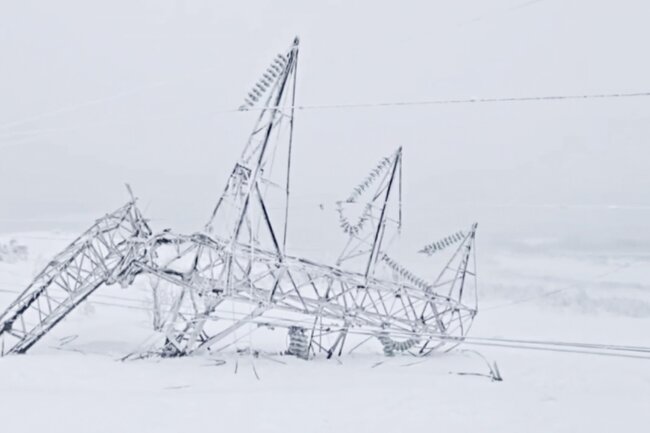
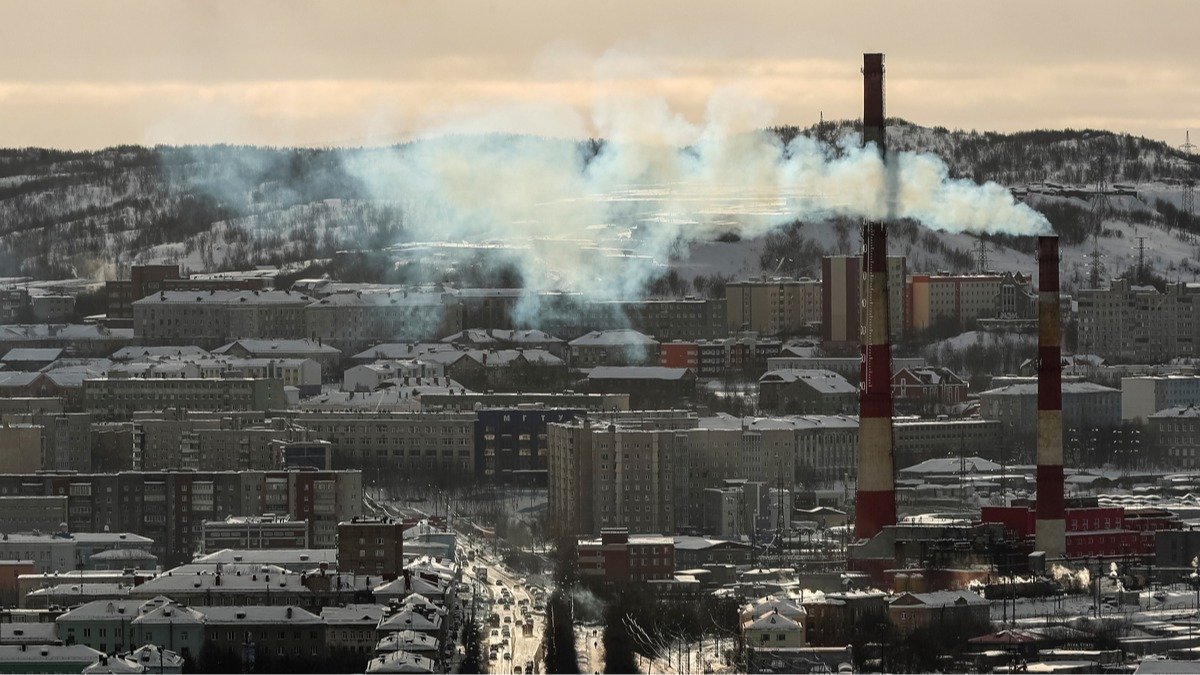
Жители Мурманска и Североморска уже четвертые сутки живут без электричества, тепла и горячей воды после аварии на ЛЭП. Несмотря на введение режима ЧС и заверения губернатора о том, что проблема решена в 80% домов, в квартирах горожан по-прежнему холодно и темно. «Новая газета Европа» поговорила с мурманчанами, которые рассказали о хаотичных отключениях, температуре в квартирах в 10 градусов и о том, как даже зарядить телефон или разогреть еду стало просто невозможным. Мурманск. Фото: Евгения Новоженина / Reuters / Scanpix / LETA .Тысячи жителей Мурманска и Североморска уже несколько дней живут без света. Проблемы начались в пятницу 23 января. Тогда были повреждены пять линий электропередач на Кольском полуострове, две из которых функционировали с 1966 года при сроке эксплуатации в 40 лет. Это привело к масштабным перебоям с электричеством. В «Россетях Северо-Запад» сообщили, что авария случилась из-за неблагоприятных погодных условий — метели и шквалистого ветра. В магазинах за это время раскупили фонарики и свечи. Некоторые жители Мурманска из-за блэкаута застревали в лифтах, их вызволяли оттуда несколько часов. Троллейбусы изменили маршрут движения, а поездки сделали бесплатными до полного восстановления электроснабжения. 26 января в городе не открылись некоторые отделения поликлиник, школьники вынуждены учиться в темноте с фонариками, а студентов колледжей перевели на дистанционные занятия. Местные власти ввели режим ЧС в связи с «затяжным характером аварии», следователи возбудили уголовное дело о халатности. Глава Мурманской области Андрей Чибис сегодня отчитался, что, по его словам, стабильная подача электричества установлена в 80% домов. Однако жители, видимо, этому не верят: в многочисленных комментариях под последними постами губернатора — заявления о том, что проблема не решена. «Новая газета Европа» пообщалась с жителями Мурманска и подтвердила, что „ многие дома до сих пор продолжают оставаться без света, воды и тепла. Несмотря на заверения властей о стабилизации электроснабжения, все горожане описывают ситуацию как тяжелую и до сих пор не решенную. Во многих районах, особенно в Ленинском и Октябрьском, люди по нескольку суток живут без света — отключения длятся по 10, 18 и даже более 20 часов. График «веерных» подач, по их словам, не соблюдается, а короткие включения часто приходятся на ночное время. Помимо невозможности приготовить горячую еду, зарядить телефон, нормально помыться, люди говорят, что в некоторых домах очень холодно — всего 10–15 градусов тепла. В городе сейчас температура опускается до -13 градусов. Совсем недавно, 11 января, в Мурманске закончилась полярная ночь, однако световой день все еще короткий — всего четыре с половиной часа. Без света в такое время особенно трудно. Упавшая опора ЛЭП. Фото: СК России по Мурманской области.«В лучшем случае — лечь спать, чтобы, как проснешься, был свет» Виталий*, один из жителей Мурманска, подтвердил в разговоре с «Новой-Европа», что проблема с электричеством, вопреки заявлениям губернатора, не устранена: во многих домах, по его словам, отсутствует свет и горячая вода. — Сегодня по пути на работу слышал, как пенсионеры в общественном транспорте жаловались на отсутствие электричества и воды. У кого-то нет отопления. Более чем уверен, что как только всё починят — все забудут. Очень досадно наблюдать, как люди оправдывают бездействие властей, закрывают на это глаза. Вряд ли что-то после этого инцидента изменится, — рассказал собеседник. Максим из Ленинского района сообщил «Новой-Европа», что он и его семья сидят без света с 16:00 25 января. „ — Хлеба в магазине нет, толком ничего не купить, электричества тоже. Еду́ не разогреть, телефоны не зарядить, не говоря уже о том, чтобы банально нормально сходить в душ, — делится мурманчанин. По его словам, жители приспособились: используют газовую плиту для кипячения воды и обогрева. График отключений, по его описанию, жесткий: вчера свет отключили в 16:00, дали в 3:00 ночи, а в 7:00 утра снова отключили. В квартире, по его ощущениям, около 10–15 градусов. Горячая вода появилась только вчера, до этого приходилось мыться холодной. — Живу в потемках, со свечами и фонариком. Тяжеловато, но в целом хоть что-то, — подытожил он. Жительница Ленинского района Мурманска Алина в разговоре с «Новой-Европа» подробно описала хаотичный график отключений: в пятницу вечером, затем 10 часов подряд не было электричества в субботу, 5 часов — утром в воскресенье и 18 часов подряд днем в воскресенье. По ее словам, утром 26 января свет дали всего на две минуты. — Выглядит как издевательство. Практика показывает: 18 часов люди сидят без света, на 3 часа его включают ночью, когда все спят. Горячая вода есть, к счастью, хотя радоваться уже нечему, — говорит Алина. Роман из Октябрьского района сообщил «Новой-Европа», что половина его района уже третьи сутки сидит без электричества по 20 и более часов. У некоторых также нет отопления. При этом, по его словам, центр города, включая подсветку катка, работает бесперебойно. В его квартире тепло, но у соседей температура опускается до 10 градусов, говорит мурманчанин. Он подтвердил, что графики отключения света не соблюдаются: свет включали глубокой ночью и отключали ранним утром. Светлана также описала ситуацию как хаотичную: свет, по ее словам, отключают случайно, без системы, в некоторых домах — на 12–24 часа и более: — В первые два дня работала полевая кухня, где-то можно было зарядить пауэрбанки, телефоны. Жители друг другу помогают. В работающих магазинах разрешают что-то зарядить. Я как сотрудник кофейни не отказываю людям в бесплатном кипятке, помощи с детским питанием или зарядке телефона. Многие семьи едут к родственникам в другие районы, особенно у кого маленькие дети, — рассказала собеседница «Новой-Европа». Она добавила, что с отоплением в городе и так были проблемы, а сейчас многие спят под несколькими одеялами — батареи греют очень слабо. Другая жительница Мурманска, Ольга, сообщила «Новой-Европа», что они сидели без света два дня, и только сейчас его ненадолго дали, чтобы зарядить телефон и приготовить еду. — Без света сидели, в темноте, без еды, воды, отопления — ужас! В лучшем случае — лечь спать, чтобы, как проснешься, был свет, — рассказывает она. *Все имена в тексте изменены по соображениям безопасности
3 months ago