government
Kremlin urges patience on trilateral Russia-US-Ukraine talks
It would be a mistake to expect breakthroughs from the initial Russia-US-Ukraine talks, Kremlin spokesman Dmitry Peskov has said
3 months ago
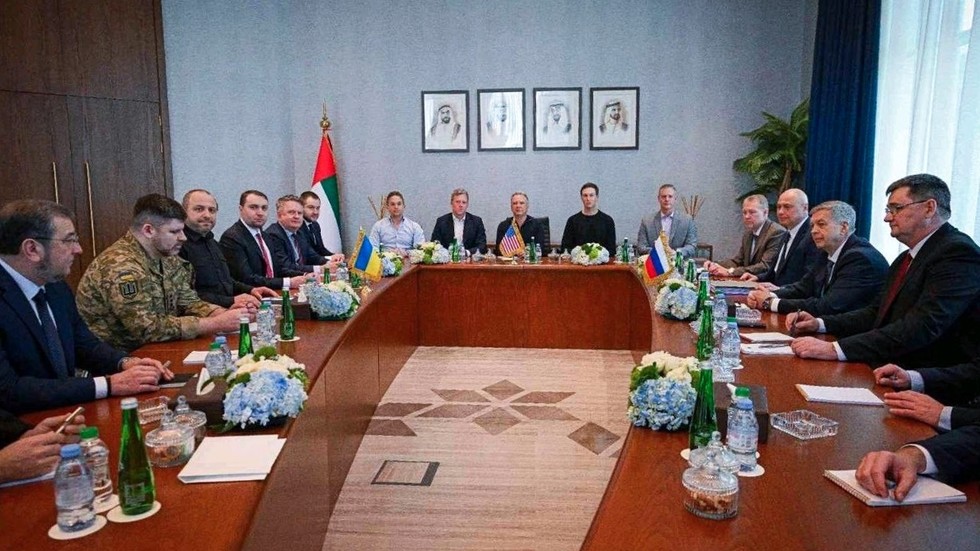
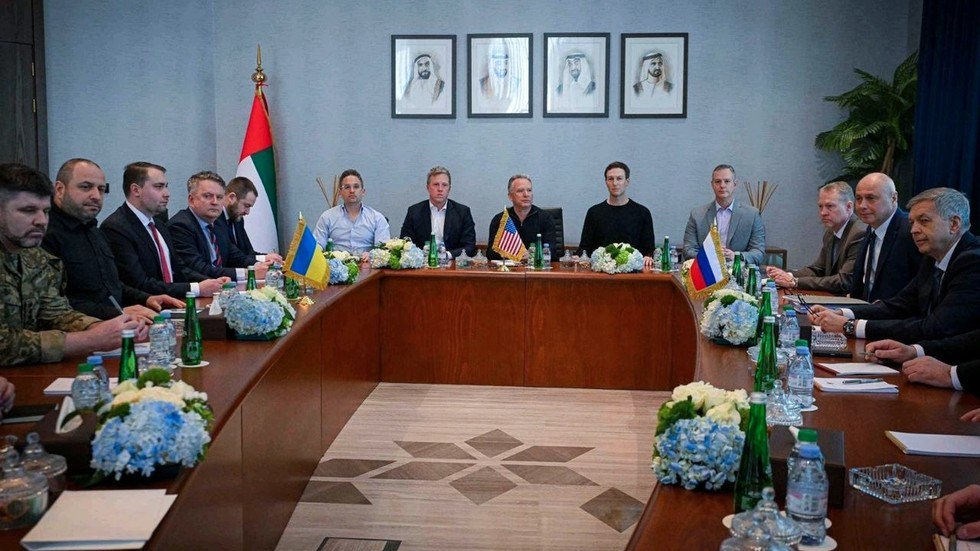
Trilateral negotiations involving Russia, the United States, and Ukraine were held in Abu Dhabi, marking the first known three-way security talks since Russia’s 2022 invasion of Ukraine. The meetings took place over at least two days, centered on security parameters and possible frameworks to end or de-escalate the conflict, and were led on the Russian side by Igor Kostyukov and on the Ukrainian side by Rustem Umerov, with US officials also present. Both government-aligned and opposition outlets agree that the format is trilateral, that the talks occurred at a high level in Abu Dhabi (including at the Qasr Al Shati residence used for important diplomatic meetings), and that at least one follow-up round is planned or tentatively scheduled, with dates around late January and early February being discussed. Both sides report that participants characterized the talks as productive or constructive, that the delegations intended to brief their capitals, and that some results were achieved even though no final agreement or breakthrough has been announced.
Coverage from both groups stresses that the core substantive issue is territory, particularly the status of Donbas and other occupied regions, and that this remains the most difficult obstacle to any settlement. They also converge on describing the agenda as broader than just territorial lines, including security guarantees, buffer or demilitarized zones, possible control mechanisms around sensitive sites such as the Zaporozhye nuclear power plant, and economic dimensions of a potential deal. Both acknowledge that Ukraine has publicly rejected territorial concessions, that any compromise would have to balance security and sovereignty concerns, and that the talks are still in an exploratory phase where expert-level working groups are testing options rather than finalizing a peace treaty.
Nature and significance of the talks. Government-aligned sources frame the Abu Dhabi meetings as the start of a structured negotiation track with clearly defined working groups, some concrete outcomes, and a likely continuation that could pave the way to a Putin–Zelensky summit, repeatedly stressing that direct contacts are positive even if difficult. Opposition outlets, while calling the talks productive, are more cautious, describing them as the first serious attempt at trilateral dialogue since 2022 but emphasizing that it is too early to speak of breakthroughs or leader-level meetings and that the process remains tentative and reversible.
Territorial compromises and red lines. Government-leaning coverage highlights territorial issues as the central and "fundamental" question, often presenting Russian demands such as Ukrainian withdrawal from Donbas or recognition of new borders, and mentioning reported proposals that involve Ukraine giving up territory in exchange for large aid packages and security guarantees, while noting Ukraine’s formal refusal to concede land. Opposition reporting acknowledges that territory is the key sticking point but puts more stress on Ukraine’s public red lines, framing any suggested land-for-aid formulas as controversial and politically explosive rather than as realistic baselines, and tends to avoid endorsing the idea that recognition of current front lines is a legitimate starting assumption.
Role and motives of the United States and Europe. In government-aligned narratives, the United States is portrayed as a pragmatic broker seeking de-escalation, improved trust between Russia and Europe, and mutually beneficial economic opportunities, including for Russian business, with mentions of US optimism and even statements by Trump about "very good" developments. Opposition sources are more reserved about American motives, emphasizing that Washington is testing options across security, political, and economic tracks but that it is also exerting pressure on Kyiv, and they tend to underscore European and Ukrainian concerns that any deal must not legitimize aggression or sacrifice sovereignty for the sake of restored business ties.
Prospects and pace of a settlement. Government-friendly outlets alternate between cautious messages from the Kremlin urging patience and more upbeat notes from US and Russian officials about "some results" and the real possibility of a near-term Putin–Zelensky meeting, presenting the process as difficult but steadily progressing through scheduled rounds and specialized working groups. Opposition coverage stresses the fragility and uncertainty of the process, emphasizing that continuation of talks next week does not guarantee sustained progress, that the decree banning negotiations with Putin and deep disagreements on territory could stall or derail the channel, and that public opinion and domestic politics in Ukraine may significantly slow any move toward compromise.
In summary, government coverage tends to present the Abu Dhabi talks as a structured, gradually advancing negotiation track with real, if modest, achievements and a plausible path toward a leaders’ summit and broader de-escalation, while opposition coverage tends to stress the experimental, fragile nature of the channel, highlight the political and territorial red lines constraining Kyiv, and warn that any prospective settlement remains highly uncertain despite the novelty and productivity of the trilateral format.