government
Is Washington about to cross the Rubicon with Iran?
Carrier groups, covert talks with Israel, and psychological warfare point to a decision that could reshape the Middle East
3 months ago
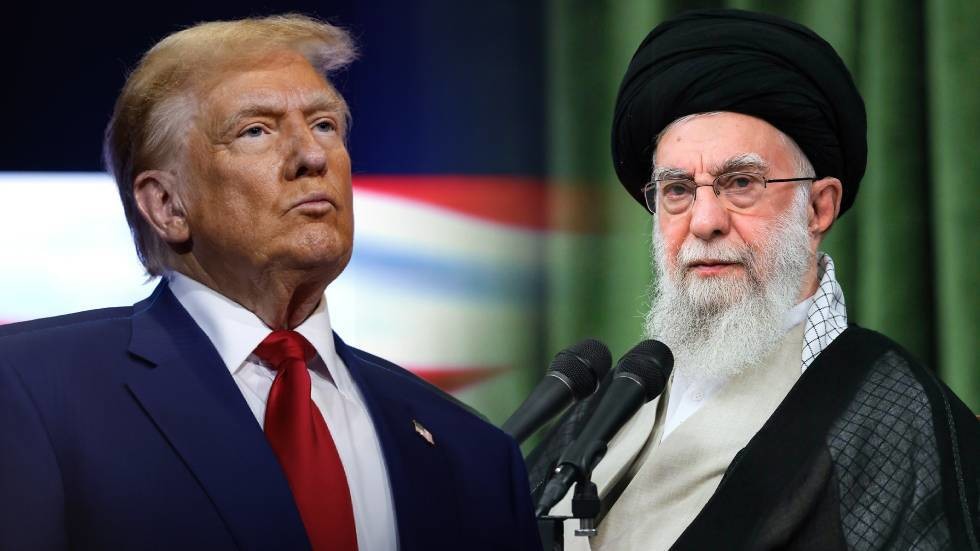
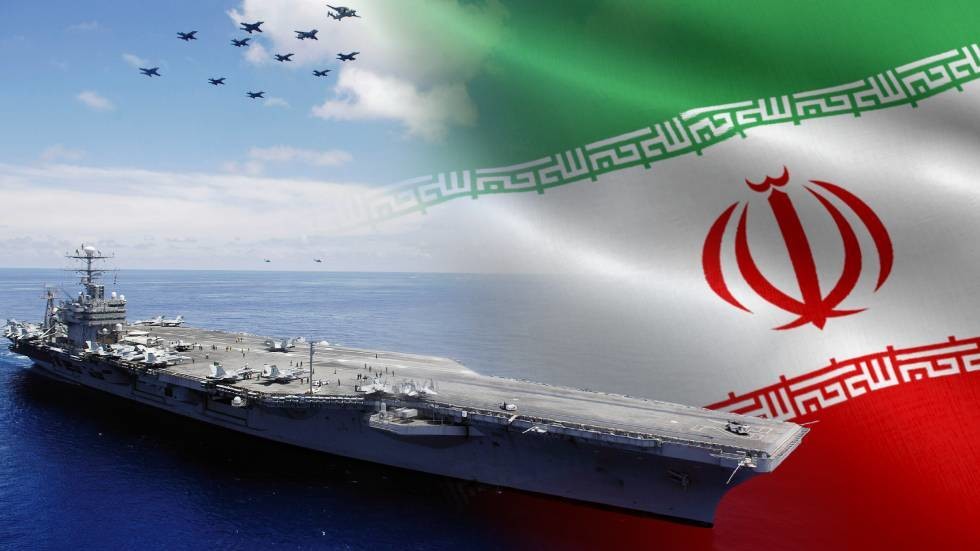
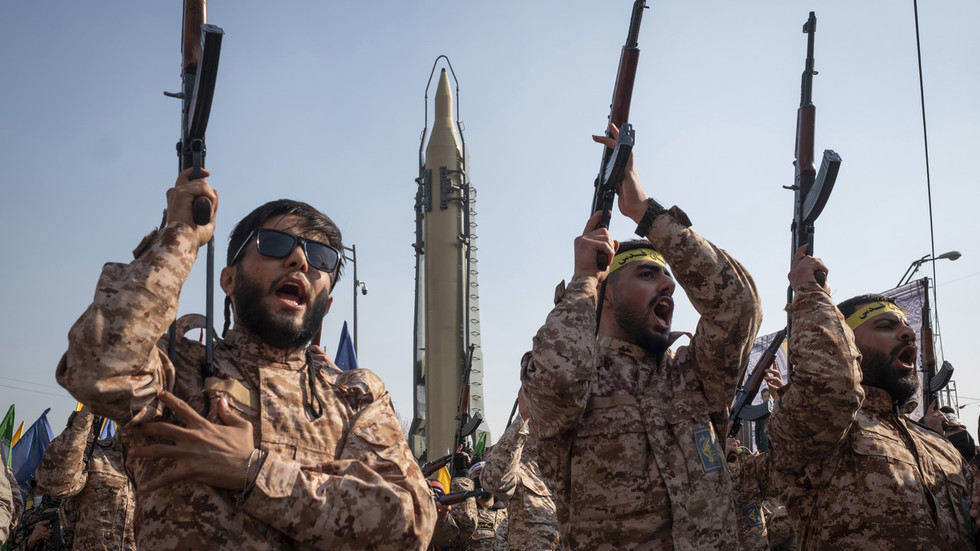
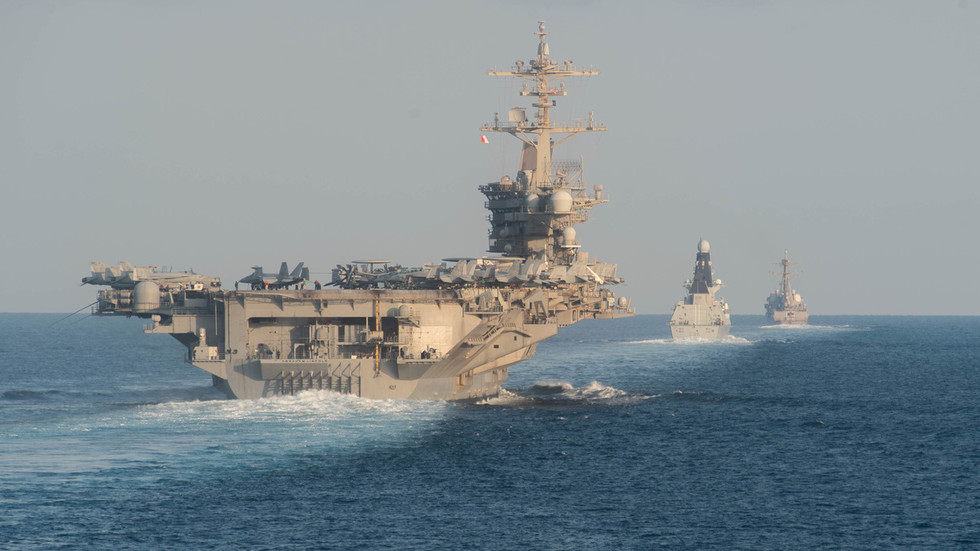
President Donald Trump has publicly stated that a "massive fleet" or "armada" of US naval assets, including the USS Abraham Lincoln carrier strike group and accompanying warplanes, has been positioned near Iran as part of broader military preparations. Government-aligned coverage agrees that this buildup follows waves of violent unrest and mass protests inside Iran, which Iranian authorities say have produced a high death toll and are driven by economic hardship and alleged foreign-backed "terrorist" elements. These outlets also concur that Washington is considering options ranging from precision strikes on high-value Iranian officials to broader attacks focused on Islamic Revolutionary Guard Corps-related targets, and that Iranian leaders have warned any US or Israeli strike would be treated as an "all-out" or full-scale war, with the IRGC claiming it has its "finger on the trigger" to respond.
Across these same reports there is shared context that the tensions are rooted in longstanding US-Iran hostility, with the IRGC and other Iranian institutions cast as central actors in both domestic repression and regional military posturing. Government-aligned sources describe Trump linking his military signaling to support for Iranian protesters while simultaneously asserting that Iran is seeking a deal and has made repeated overtures to start talks. The coverage presents a backdrop of chaotic White House deliberations over Iran policy, a history of escalatory rhetoric and previous deployments to places like Venezuela for comparison, and the symbolic importance of potential strike dates such as around early February, which carries particular resonance in Iran’s political calendar.
Scale and intent of the deployment. Government-aligned outlets generally echo Trump’s description of a "massive fleet" or "armada," depicting a substantial carrier strike group and associated assets as fully prepared to launch attacks, and they portray this posture as both deterrent and potential prelude to targeted strikes. In the absence of detailed opposition coverage, it is likely that critical or opposition sources would question whether the deployment is as large or imminent as claimed, scrutinizing the rhetoric for exaggeration or political theater. Government narratives emphasize readiness and completeness of military preparations, while opposition media would be more inclined to parse official statements against independently verifiable force levels and timelines.
Framing of protests and unrest. Government-aligned reporting highlights Iran’s claim that the protests stem from economic hardship but are being hijacked by foreign-backed terrorists and interference, aligning with US narratives that blame Tehran’s leadership for domestic instability. By contrast, opposition sources would likely focus more on human rights violations and the protesters’ grievances, portraying the unrest as largely indigenous and democratic rather than externally orchestrated. While government media tie the protests to justification for pressure on Iranian officials and the IRGC, opposition outlets would probably frame the same events as a risk of collective punishment and escalation that harms ordinary Iranians.
Diplomacy versus escalation. Government-aligned coverage repeats Trump’s assertion that Iran is eager to make a deal and has made "numerous calls" to begin talks, presenting the military buildup as leverage to bring Tehran to the negotiating table. Opposition sources would be more likely to question the credibility of those claims, probing whether such alleged outreach is substantiated and whether saber-rattling actually undermines prospects for genuine diplomacy. Government outlets emphasize that ships are being sent "just in case" and that Washington is merely watching the situation, whereas opposition media would likely frame the same deployments as provocations that increase the risk of miscalculation and war.
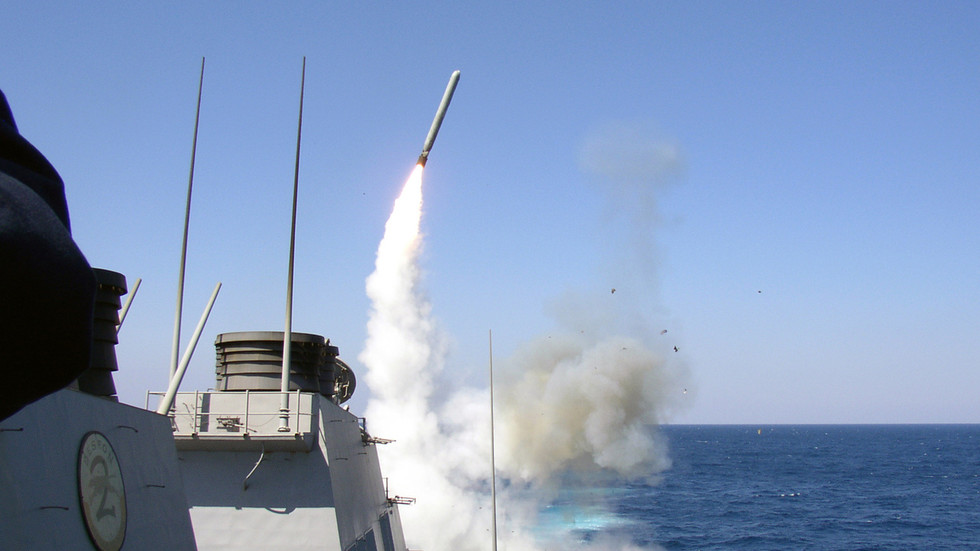
Legitimacy of potential strikes. Government-aligned reports speak of possible precision strikes on high-value Iranian officials deemed responsible for protester deaths, couching such actions as targeted accountability measures consistent with previous US pressure campaigns. Opposition coverage would more likely raise concerns about legality under international law and the potential for blowback, portraying the targeting of senior officials as an assassination policy that could spiral into regional conflict. Where government outlets stress Iran’s warnings of all-out retaliation mainly as a deterrent signal, opposition media would likely frame those warnings as evidence that even "limited" strikes could rapidly cross a threshold into a much wider war.
In summary, government coverage tends to underscore the scale of US military readiness, portray the fleet as a controlled instrument of pressure in support of protesters, and present Iran as both dangerous and potentially eager for a deal, while opposition coverage tends to cast doubt on the administration’s claims, stress risks of illegality and escalation, and foreground the human and regional costs of turning military signaling into actual conflict.