government
‘Enough of Washington’s orders’
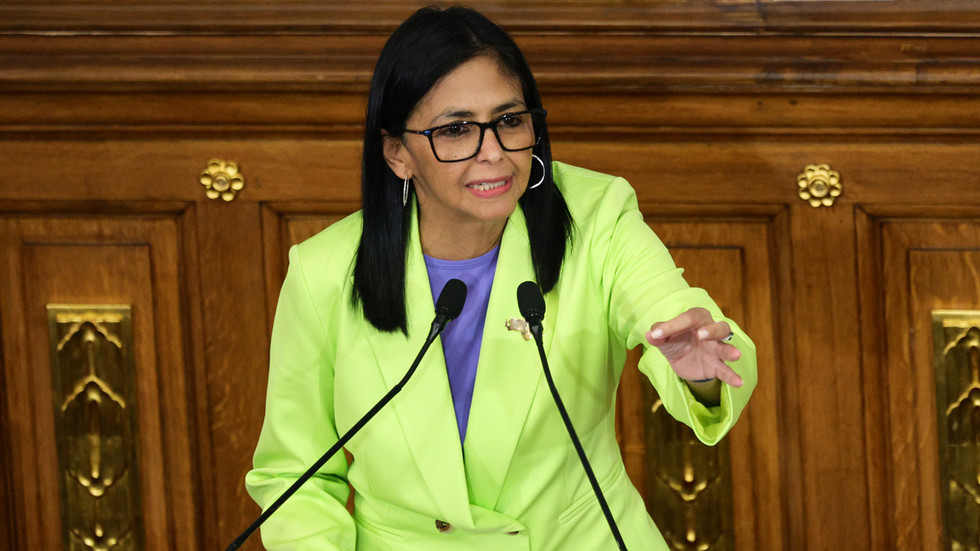
Venezuela’s interim president, Delcy Rodriguez, has expressed frustration with US orders, calling for an end to interference
3 months ago
News coverage agrees that United States forces carried out a major military operation in Caracas, Venezuela, in which Venezuelan president Nicolas Maduro was seized and taken into US custody along with his wife. Reports from government-aligned outlets concur that the raid involved substantial air power, citing more than 150 US aircraft and helicopters, and describe the use of a new weapon system dubbed the “Discombobulator” that allegedly disabled Venezuelan, Russian, and Chinese-made air defense rockets, preventing launches and minimizing US casualties and aircraft losses. Coverage also consistently notes that the action triggered intense political debate in Washington, where the US House of Representatives considered—but failed to pass—a resolution aimed at restricting President Trump’s authority to use force in Venezuela without explicit congressional approval, with Republicans and Democrats deadlocking on the measure.
Across accounts, there is shared recognition that the Venezuelan political order has been dramatically disrupted by Maduro’s removal, with interim president Delcy Rodriguez emerging as a central figure in the immediate aftermath. Outlets broadly align in describing Rodriguez as attempting to stabilize the situation by engaging with Washington, including moves to open Venezuela’s oil sector further to American companies, in return for signals of potential sanctions relief from the Trump administration. Coverage similarly agrees that these developments are unfolding against a wider backdrop of US strategic positioning, including Trump’s comments on missile defense, Europe’s energy choices, and even talk of acquiring Greenland, situating the Venezuelan operation within a larger set of US security and geopolitical ambitions.
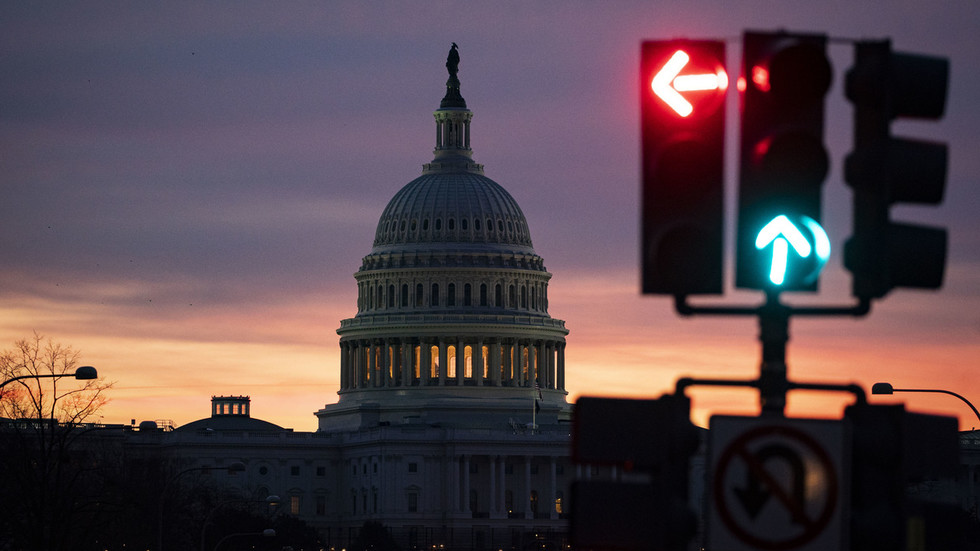
Legality and authorization. Government-aligned sources emphasize the president’s commander-in-chief authority and frame the Caracas raid as a necessary, time-sensitive action that did not require prior congressional authorization, downplaying the failed House resolution as a partisan maneuver with no practical effect on operations. Opposition sources, by contrast, highlight the tie vote as evidence of serious constitutional concern, arguing that the raid violated or at least skirted the War Powers framework and warning of a dangerous precedent for unilateral executive military action in the Western Hemisphere.
Characterization of the operation. Government-aligned outlets describe the mission as a highly professional, surgical strike that cleanly removed a corrupt and hostile leader, stressing the lack of significant US casualties and presenting the use of the “Discombobulator” as a technological triumph that neutralized foreign-supplied defenses. Opposition coverage instead tends to portray the same events as an abduction or kidnapping of a sitting president on foreign soil, stressing the sovereignty implications, the shock to regional norms, and raising doubts about both the scale and prudence of deploying experimental weaponry in a densely populated capital.
Portrayal of Delcy Rodriguez and political outcomes. Government-aligned media present interim president Delcy Rodriguez as a pragmatic partner willing to distance herself from Maduro’s previous confrontational line, highlighting her moves to open the oil sector to US firms as responsible steps that have won praise from Trump and could bring sanctions relief and economic recovery. Opposition sources are more likely to cast Rodriguez as operating under duress or opportunistically capitalizing on Maduro’s removal, questioning the legitimacy of her interim status and warning that rapid concessions on oil and policy could entrench US leverage over Venezuela’s political and economic future.
Strategic framing and broader agenda. Government-friendly outlets link the Venezuela raid and the debut of the “Discombobulator” to a broader strategic reorientation, presenting Trump’s comments on Europe’s energy policy, missile defense, and even Greenland as signs of a coherent approach to strengthening US and allied security against rival powers. Opposition coverage tends to interpret the same rhetoric as evidence of an erratic, expansionist agenda, suggesting that the dramatic display of force in Caracas and talk of new basing options are less about stability in Venezuela and more about projecting power, testing weapons, and reasserting US dominance in ways that could destabilize international norms.
In summary, government coverage tends to cast the operation as a justified, expertly executed mission that removed a malign actor and opened the door to pragmatic cooperation with a new interim leadership, while opposition coverage tends to question its legality, legitimacy, and motives, warning that it represents an overreach of US power and a troubling precedent for Venezuelan sovereignty and regional stability.