March 15, 2026
15 Fatal Mistakes? British Nurse Sentenced to Life for Baby Murders May Be Innocent, Experts Claim in New Documentary
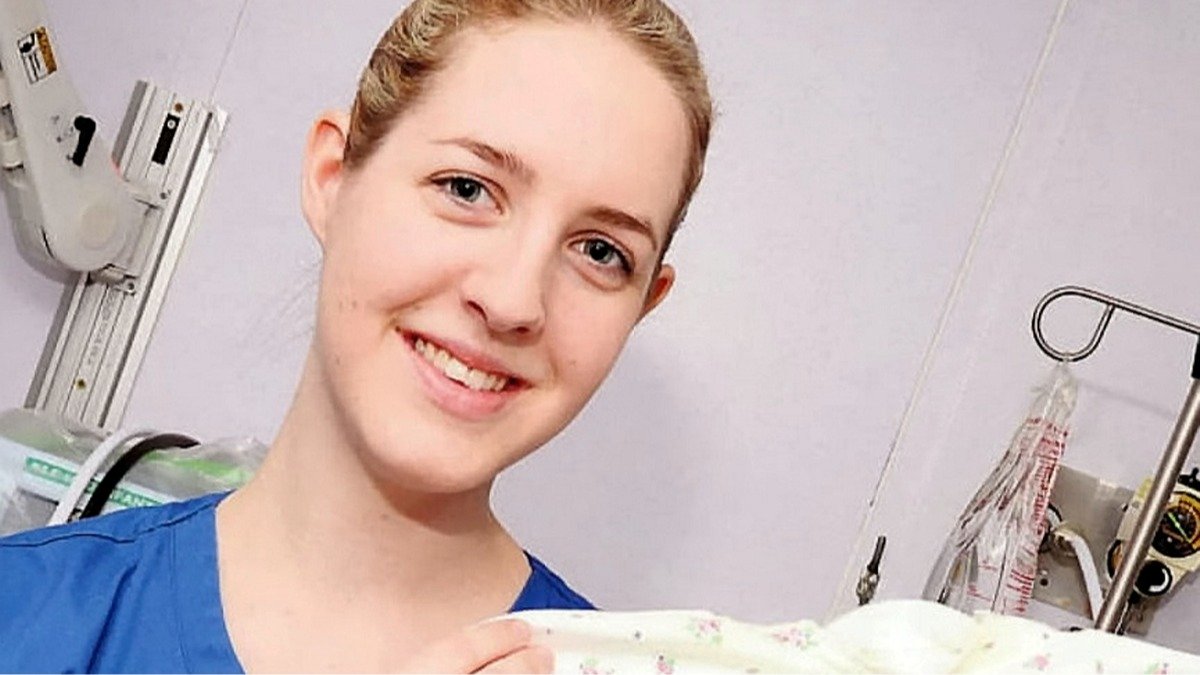
British nurse Lucy Letby was sentenced to life imprisonment without parole in August 2023. According to the investigation, between 2015 and 2016, she murdered seven infants in her care and attempted to kill eight more. A BBC film released in February 2026 revisits this story, questioning Lucy Letby's guilt in the alleged crimes. Photo: Chester Standard / SWNS.com / Scanpix / LETA. "It was a living nightmare." Lucy Letby was born on January 4, 1990, in Hereford. She was an only child, studied diligently, and was the first in her family to receive a higher education, graduating from the University of Chester in 2011. By graduation, she was already working as a nanny and junior nurse. In 2015, she qualified to work in the neonatal intensive care unit. Between June 2015 and June 2016, a series of infant deaths occurred in the unit where Letby worked. The first death was an infant, referred to as 'Baby C' by the court, who was born prematurely with his twin brother. The mother described a shocking incident where her baby was bleeding from the mouth and his condition rapidly deteriorated. He died, and his twin brother's condition also worsened shortly after, described by the mother as a "living nightmare." The second twin survived. Letby reportedly showed great care for the family, cleaning and dressing the deceased infant and creating a memory box. Three years later, the parents were informed that the nurse they trusted had intentionally killed their child. "Not Lovely Lucy." After the incident with one twin, two more infants died within two weeks. An internal review led by Dr. Stephen Breary noted these deaths occurred during Letby's shifts, but the hospital attributed them to "treatment errors," avoiding a police investigation. Letby's involvement was considered a coincidence. However, deaths continued, with another infant dying suddenly in August and a premature baby in October. Dr. Breary raised concerns, but the head of the neonatal unit, Eirian Powell, dismissed them as unfortunate coincidences. In February 2016, another consultant, Dr. Ravi Jayaram, observed Letby watching a baby struggle to breathe. Despite urgent meetings requested by consultants, no immediate action was taken, and two more infants nearly died during Letby's shifts. In June 2016, two triplets died, again during Letby's shift. Dr. Breary's requests to remove Letby were denied, even with support from other pediatricians. A case against Lucy Letby was opened in 2018, after four more infants died during her shifts. The hospital eventually suspended her and moved her to administrative work. Letby threatened legal action, and the hospital conducted its own investigation, again finding no involvement. However, consultants disagreed, noting that infant deaths ceased when Letby was on administrative duties. Breary eventually convinced the police to investigate, codenaming it "Operation Hummingbird." Letby was arrested in 2018 but released on bail. She was re-arrested in 2019 and charged with attempting to murder 22 infants, 12 of whom died. "She's Not a Maniac!" The British press dubbed Letby the "Angel of Death," but some noted a lack of direct evidence beyond shift statistics and colleagues' observations. Prosecutors found handwritten notes in Letby's apartment stating, "I am evil, I did this!" and other disturbing messages. These notes led to her being labeled a "maniac," though she pleaded not guilty. Legal expert Sergey Afanasyev argues that Letby's actions, even if proven, do not fit the definition of a "maniac," which requires a sexual subtext. He suggests the media's portrayal influenced the jury. Afanasyev emphasizes that serial killers and "maniacs" have motives, and the prosecution failed to present a clear motive for Letby. Experts in the BBC film question Letby's guilt, arguing the prosecution did not prove any murder, and the timing of deaths during her shifts could be coincidental. They state claims of insulin or air embolisms are unproven. "Forensic Error?" The prosecution's main evidence included shift logs and the notes from Letby's home. However, The Guardian reported these notes were made during therapy and were not part of a diary. Letby stated the notes were a way to express her feelings, and she did not intentionally harm the babies, though she worried about her performance. The prosecution presented further evidence through exhumations, suggesting deaths were caused by insulin overdose or air embolisms, which only Letby could have administered during her shifts. A 2022 report by the Royal Statistical Society warned against drawing conclusions from such statistical evidence in "medical killer" cases, highlighting the risk of assuming guilt when coincidences occur. The report did not sway the jury, and Letby was sentenced to 15 life sentences. The BBC film has reignited the debate about Letby's guilt, questioning not only expert and investigative errors but also the flaws in the English justice system. A new hearing may be scheduled based on the film's new data. Letby maintains her innocence.
TL;DR
- Lucy Letby was convicted of murdering seven infants and attempting to murder eight others while working as a nurse.
- She was sentenced to life imprisonment without parole in August 2023.
- A BBC documentary released in February 2026 raises doubts about her guilt, with experts suggesting the evidence may be insufficient.
- Key evidence cited includes the timing of deaths during Letby's shifts and handwritten notes found in her possession.
- Critics argue that the notes were therapeutic expressions, not confessions, and that statistical evidence was misused.
- The case has sparked debate about potential flaws in the investigation and the English justice system.
Continue reading the original article