April 18, 2026
EU Proposes New Defense Alliance with UK and Ukraine
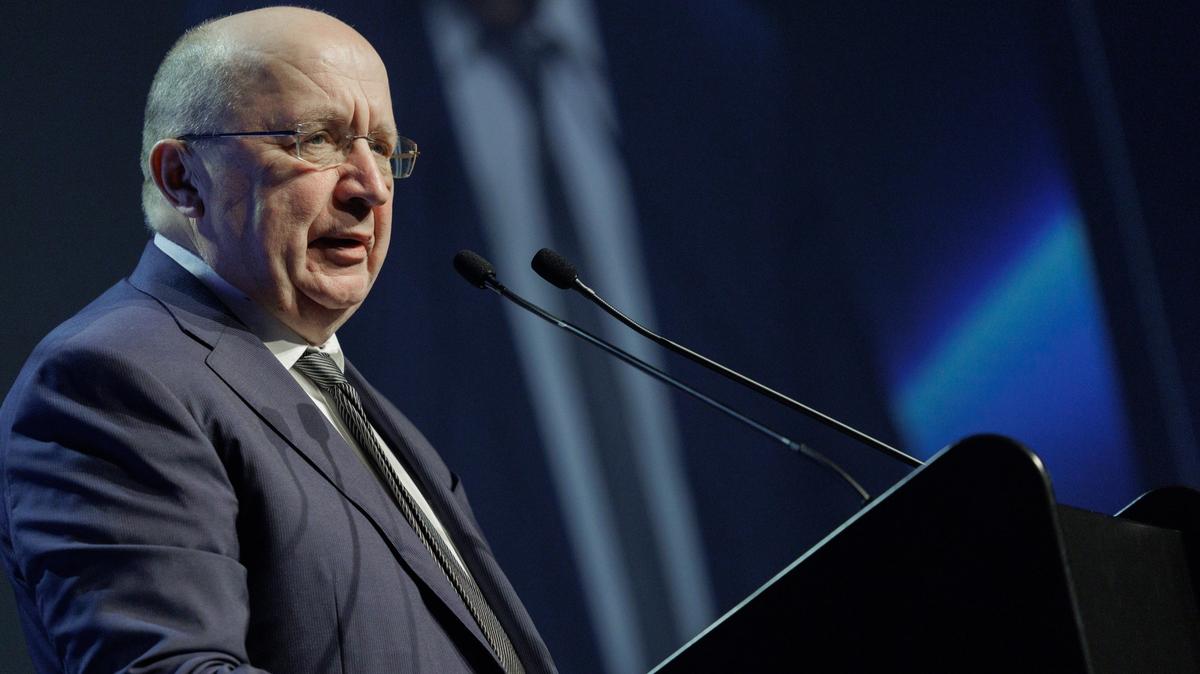
EU Defense Commissioner Andrus Kubilius proposed a new intergovernmental treaty for a European defense union, according to Euractiv. The alliance could be modeled after the Schengen Agreement. The new defense union should prepare Europe for self-defense amid the US reorienting its interests towards the Indo-Pacific region, he stated. In addition to EU countries, the treaty should include the UK, Norway, and Ukraine. The European Commissioner believes existing EU agreements are unsuitable for creating a full-fledged military bloc within the continent. European Commission President Ursula von der Leyen first put forward this idea at the beginning of her second term, along with plans to increase defense spending, production capacity, and coordination among EU countries. However, defense policy remains the prerogative of national governments, Euractiv notes. In early April, Donald Trump reiterated that he is seriously considering the US withdrawal from NATO. The politician called the alliance a 'paper tiger' and accused it of lacking support in the war with Iran. Additionally, media reported that the US wants to exclude allies spending less than 5% of their GDP on defense from key decisions. Against this backdrop, European countries have accelerated the development of a 'Plan B' in case the US withdraws from the bloc or significantly limits its collective defense commitments, WSJ wrote. Journalists noted that this does not yet involve creating an alternative to the bloc.
TL;DR
- EU Commissioner for Defense Andrus Kubilius proposed a new intergovernmental treaty for a European defense union.
- The proposed alliance could be modeled after the Schengen Agreement.
- It aims to prepare Europe for self-defense as US interests shift towards the Indo-Pacific.
- The treaty would include EU countries, the UK, Norway, and Ukraine.
- The idea was previously put forward by European Commission President Ursula von der Leyen.
- European countries are accelerating the development of a 'Plan B' due to potential US withdrawal or reduced NATO commitments.
- Recent statements by Donald Trump about the US potentially leaving NATO have influenced these discussions.
Continue reading the original article