politics
March 2, 2026
Who will succeed Iran’s Supreme Leader Khamenei, killed by US-Israeli strikes?
The ‘decapitating’ US-Israeli strikes against Iran have triggered a succession process, but perhaps not the succession crisis they aimed for
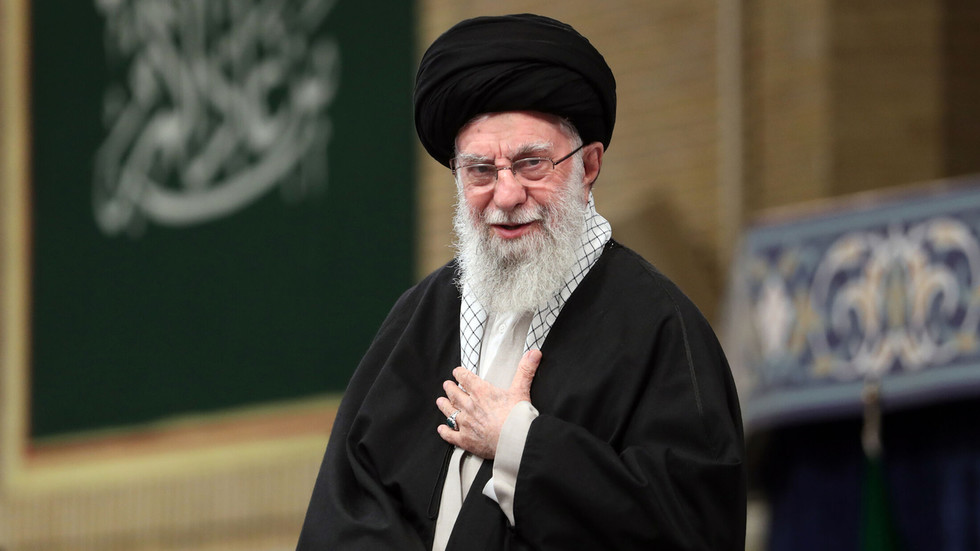
TL;DR
- The death of Ayatollah Ali Khamenei in a US-Israeli operation is seen as a dangerous precedent in international politics, normalizing the elimination of state leaders.
- Reports of a strike on a girls' school in Minab highlight regional concerns about accountability and whose suffering is acknowledged.
- Khamenei represented an era of resistance to Western expansion and championed an independent civilizational course for Iran.
- The strategic aim of the strikes is interpreted as disrupting succession and paralyzing governance, but Iran's system is built for siege conditions.
- Ayatollah Alireza Arafi's appointment to the interim leadership council signifies an intention to maintain continuity and manage the transition.
- Potential successors include Mojtaba Khamenei (son), Hassan Khomeini (grandson), and clerical figures like Sadeq Amoli Larijani, Ahmad Khatami, and Mohsen Araki.
- The security establishment, particularly the IRGC, is expected to play a significant role, potentially leading to consolidation and a hardline posture.
- Decapitation strategies can lead to accelerated consolidation and a 'survival mode' politics, as seen in Iran's institutionalization of an interim leadership.
- Dismantling a state from the outside rarely yields clean outcomes, often unleashing cycles of violence, fragmentation, and revenge.
- The perceived impunity of powerful states erodes international order and their own credibility.
Continue reading the original article