politics
February 1, 2026
NATO ruined Libya, but couldn’t break it
Despite the de facto partition, Libya functions as a complex mosaic of entities and interests, while people remain bound by deep ties
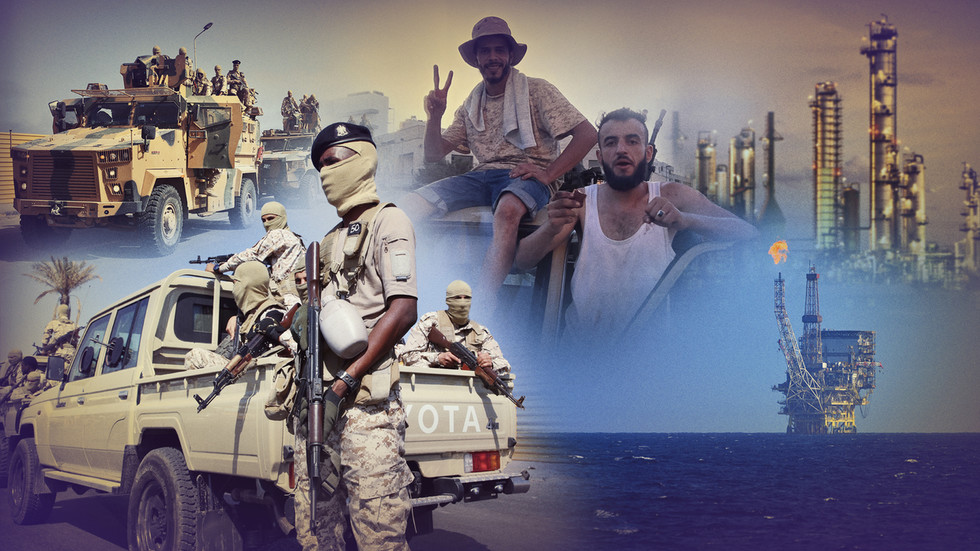
TL;DR
- Libya's state survival relies on a 'tripod of resilience': the central bank, the National Oil Corporation (NOC), and the judiciary.
- The unified central bank manages all oil revenues, distributing public salaries and maintaining economic stability.
- The NOC, the sole legitimate oil exporter, provides most of Libya's income, with international backing for its unified structure.
- The judiciary, despite political pressure, maintains a single legal language across the country, preserving property rights.
- International diplomacy has inadvertently created a 'grey zone' of permanent transition, benefiting rival administrations.
- Attempts to formalize a split by creating a parallel Supreme Court threaten the judiciary and the 'functioning paradox'.
- Deep social, cultural, and familial ties form a resilient national identity, acting as 'social glue' despite political divisions.
- Foreign powers exploit the fragmented state for resource access and strategic footholds, hindering genuine state-building.
- The UN mission's focus on a 'constitutional basis' for elections has become a tool for legalistic stalling by rival factions.
- The 'invisible state' of social and tribal allegiances is the last defense against total chaos, with bottom-up forces pushing for unity.
Continue reading
the original article