health
December 30, 2025
Dogs of war. Ukrainian volunteers are trying to find new owners for orphaned animals from frontline regions of the country
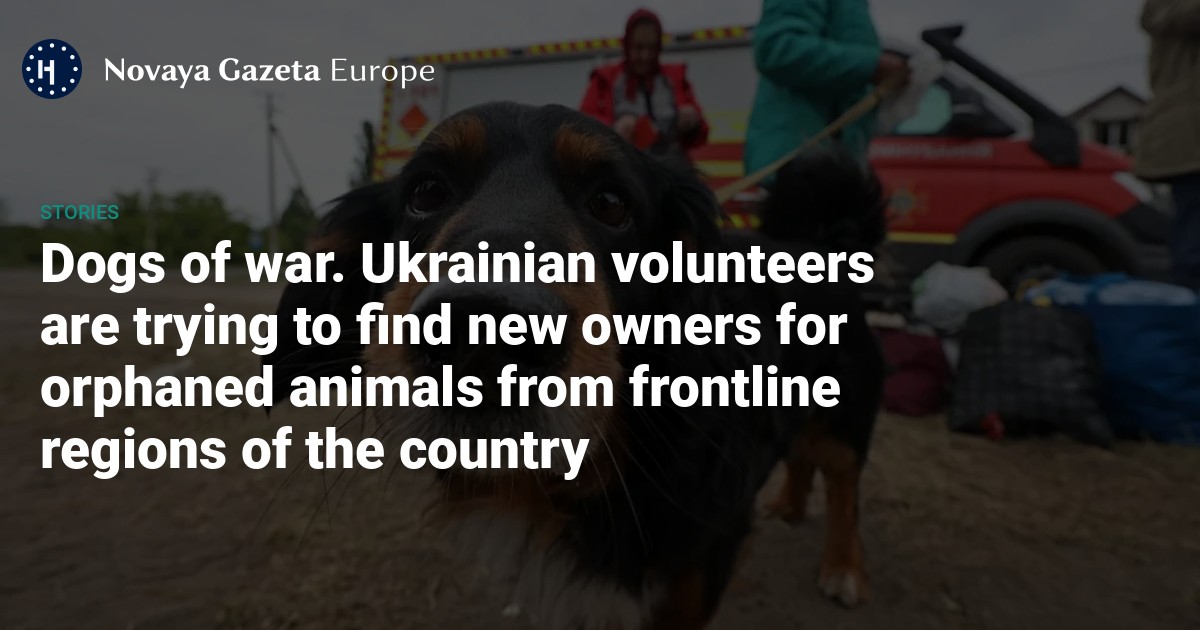
A dog is being evacuated from Vovchansk, Kharkiv region, Ukraine, on 17 May 2024. Photo: Vyacheslav Madiyevskyy / Ukrinform / Abaca Press / Vida Press
TL;DR
- Animals cannot evacuate combat zones and are often left behind, facing starvation, injury, and fear.
- The municipal Animal Shelter in Kharkiv continues to operate despite daily attacks, staff shortages, and reduced funding, housing around 600 animals.
- Homeless individuals displaced by attacks are often housed in dormitories that do not allow pets, leading to animals being surrendered to shelters.
- The Animal Guardians Foundation specializes in evacuating animals from combat zones, treating, vaccinating, and socialising them while seeking new homes.
- Evacuating animals from active combat zones, even areas suspected of being mined, carries significant risks, with rescuers often operating under extreme danger.
- Finding new homes for animals is challenging due to widespread homelessness and the difficulty of taking on pet responsibility during constant shelling.
- Ukraine banned euthanizing stray animals in 2021, increasing pressure on overcrowded shelters.
- Transporting animals to Europe now requires strict documentation, including chipping, rabies vaccination, antibody tests, and health certificates, with adopters bearing associated costs.
- Both the shelter and the foundation rely on donations and are supported by projects like 'Let's Help'.
- Specific animal rescue stories, such as Sherkhan the Alsatian and Arisha the dachshund, illustrate successful adoptions in Germany.
- Ongoing rescue efforts continue for animals in occupied or recently liberated areas, with dedicated volunteers seeking to provide aid and find homes for neglected pets like Finik, Mira, Chernysh, and Bucks.
Continue reading the original article