March 25, 2026
A mysterious group is calling on Russians to protest the Kremlin's Internet restrictions. Is it a trap?
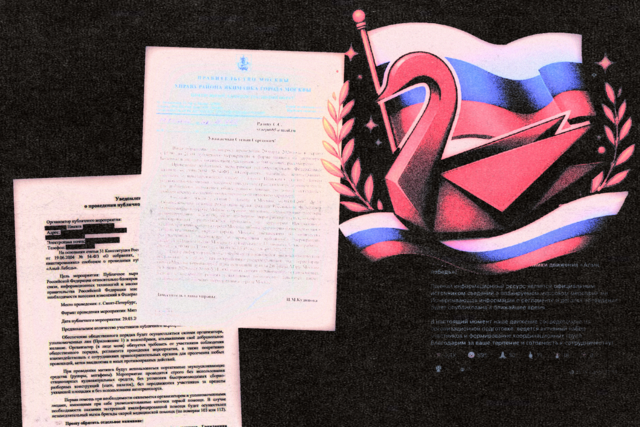
In the last month, accounts linked to a movement calling itself “Scarlet Swan” began appearing on TikTok and Telegram in Russia. Its members — young men and women, including minors, as the outlet Verstka has reported — are urging Russians to take to the streets on March 29 to protest the Kremlin’s intensifying Internet restrictions. However, opposition activists and journalists have warned that the project could be a setup orchestrated by Russian security services. On March 23, the movement’s Telegram channel said that one of its administrators had sold their account to associates of Vladislav Pozdnyakov, a pro-war blogger and founder of the far-right organization ”Male State” — though minutes later the same channel dismissed the claim as fabricated.
TL;DR
- A movement called "Scarlet Swan" is organizing protests against Internet restrictions in Russia, scheduled for March 29.
- Activists and journalists suspect the movement might be a provocation orchestrated by Russian security services.
- The movement gained traction through TikTok and Telegram, using coded language and AI-generated videos to encourage participation.
- Concerns have been raised about the collection of personal data from participants and potential links to pro-Kremlin figures or groups.
- The identity of "Scarlet Swan's" organizers has been inconsistent, with claims of account sales and fabricated stories circulating.
- The movement has published demands for freedom of information access and an end to Internet blocks, while also facing accusations of discussing violence among chat members.
- Some participants express skepticism about the movement's origins and potential ties to security services, while others assert their opposition to government restrictions.
- The potential for "Scarlet Swan" to be a false-flag operation aimed at identifying and entrapping protesters is a significant concern among opposition circles.
Continue reading the original article