March 21, 2026
Russia ramps up ship-to-ship oil transfers amid sanctions and freezing weather, experts point to weaker oversight and higher spill risks
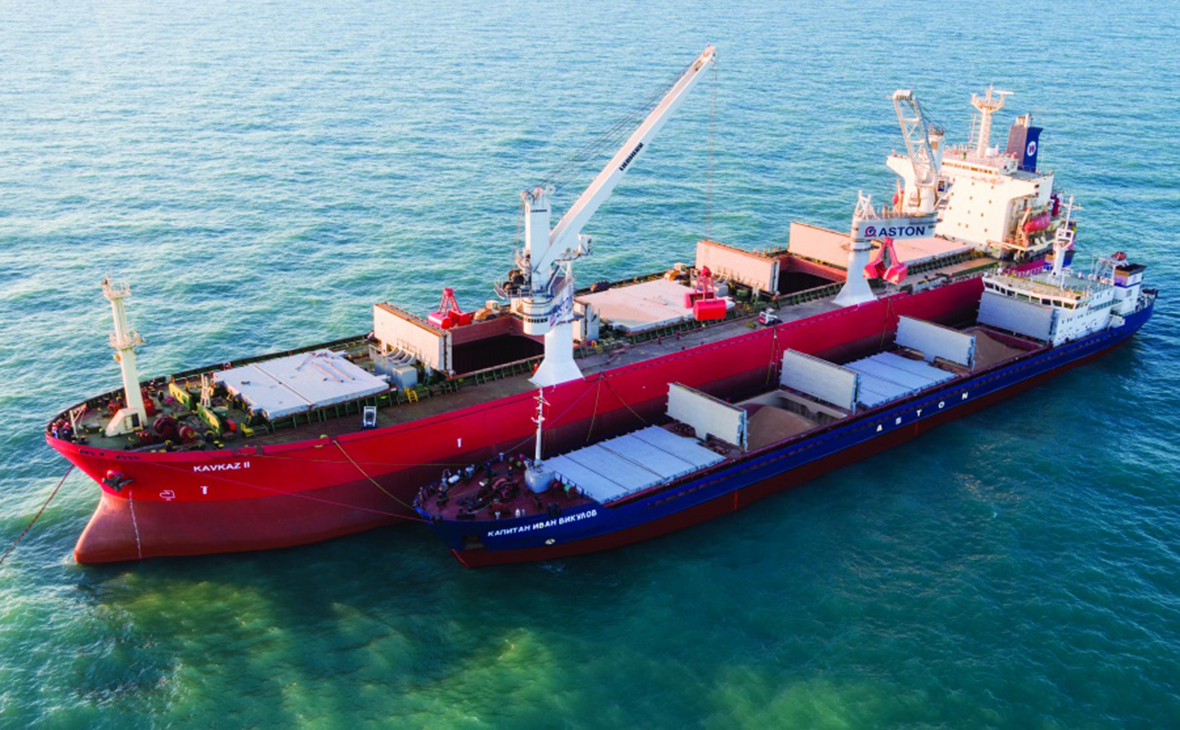
Western sanctions and severe winter weather have pushed Russia to increase its exports of petroleum products through ship-to-ship transfers, leading to a shortage of suitable tankers, traders told Reuters
TL;DR
- Russia is increasing ship-to-ship transfers for petroleum product exports due to Western sanctions and harsh winter conditions.
- This practice allows Russian oil to reach Asian markets by transferring cargo to other vessels in locations like the Mediterranean and Atlantic.
- Severe winter weather in early 2026 tightened Baltic Sea sailing rules, further incentivizing these transfers.
- Ship-to-ship transfers are becoming more frequent, often in poor weather and to obscure the origin of sanctioned oil.
- Experts warn of significant increases in environmental risks, such as spills and collisions, due to weaker oversight and the use of this method as a workaround tactic.
- Russia's Natural Resources Ministry had previously proposed banning ship-to-ship oil transfers due to environmental damage, including petroleum spills and harm to marine life.
Continue reading the original article