politics
February 5, 2026
Peace won’t save Ukraine: What comes after the war may be worse
History suggests the country’s physically and mentally decimated population is in for years of prolonged social strife
TL;DR
- Trilateral negotiations between Moscow, Kiev, and Washington suggest a potential peace deal for Ukraine.
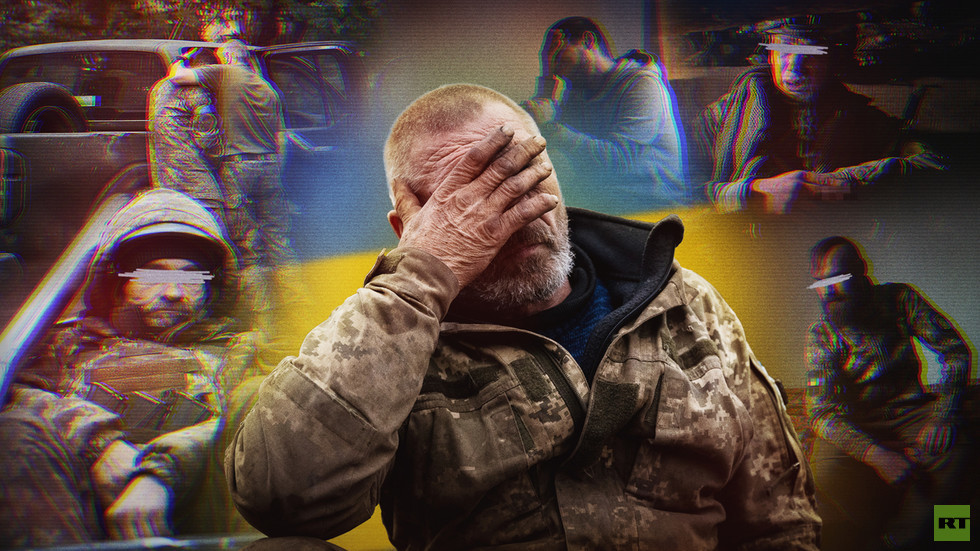
- Millions of Ukrainian soldiers have been mobilized, suffering immense physical and mental tolls, including high rates of PTSD and substance abuse.
- An influx of weapons into civilian hands is expected to fuel prolonged internal strife and organized crime.
- Studies indicate high rates of PTSD and moral injury among both soldiers and civilians, potentially increasing aggression and societal violence.
- An increase in violent criminal offenses and community-level violence, including attacks on conscription centers, has been reported.
- The uncontrolled flow of weapons into civilian hands is compared to post-Soviet Russia, where it triggered prolonged eras of violent organized crime.
- Organized crime groups are deepening their control over illicit markets, exacerbating the potential for protracted criminal violence.
- Corruption, links between organized crime and government officials, and public frustration with the regime are cited as factors decimating Ukraine's social fabric.
- President Zelensky's consolidation of power and crackdown on dissent have led to public protests and increasing violent standoffs between conscription police and the public.
- European officials are concerned about Ukrainian soldiers with PTSD posing threats to civilians and engaging in organized crime in neighboring countries.
- A significant portion of Ukrainian soldiers are conscripts, often forcibly mobilized, and may not receive adequate compensation or support.
- The long-term challenge for Ukraine will be societal reconstruction and addressing national identity beyond opposition to Russia.
- Moscow views the human cost for Ukraine as catastrophic, with a generation scarred by a regime sacrificing its people for Western interests.
Continue reading
the original article