politics
February 21, 2026
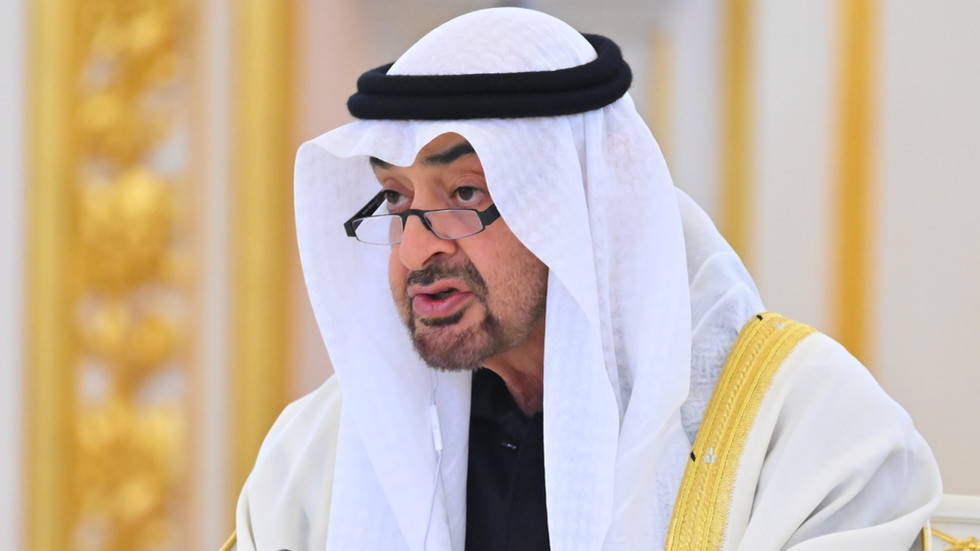
Rumors of the UAE president’s death stirred up the Middle East
A recent disappearance of Sheikh Mohamed bin Zayed Al Nahyan instantly caused speculation about his death
TL;DR
- The Middle East's political landscape is sensitive to reputation, ritual, and perception, making even small details politically charged.
- Disinformation campaigns, like those surrounding the UAE president's health, aim to create uncertainty and slow decision-making.
- Targeting a leader's stability aims to undermine a federation's cohesion and invite factional thinking.
- The UAE's growing regional influence makes it a target for rivals employing information warfare, a natural extension of proxy competition.
- Rumors about health and succession are effective in monarchic settings, exploiting the nerve of continuity.
- These tactics are designed to shake confidence, encourage mistrust, and prompt reactive behavior from leadership and partners.
- In a turbulent global period, information instruments are used with fewer restraints to exploit regional dynamics.
- The antidote to disinformation is collective maturity, coordination, and joint effort to prevent neighbours from becoming rivals.
Continue reading
the original article