economy
March 11, 2026
Between Hormuz and Moscow: How India Manages Oil in a World of Chokepoints
New Delhi is hedging Middle East turmoil with Russian crude and strategic stocks, turning “energy security” into practiced non-alignment
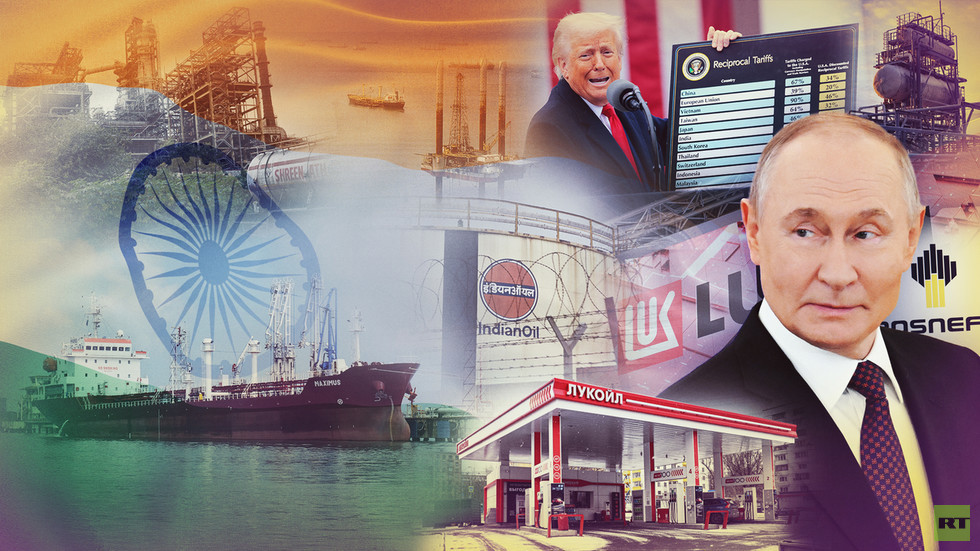
TL;DR
- India is the world's third-largest energy consumer and projected to be the largest source of global oil demand growth this decade.
- The conflict near the Strait of Hormuz has led to higher freight costs, insurance, and pressure on India's import bill.
- Brent crude prices spiked significantly, highlighting the insecurity of oil routes and chokepoints.
- India's oil imports depend heavily on the Middle East, with about 40% normally passing through the Strait of Hormuz.
- War-risk premiums have increased, adding substantial costs to tanker voyages.
- State-run oil marketing companies in India are expected to absorb some of the shock from price volatility in the near term.
- Russian crude imports to India increased dramatically after 2022, becoming a significant part of its oil basket.
- India maintains diversified sourcing, including from the Gulf, the US, West Africa, and Latin America.
- India is not planning to join a coordinated release of emergency oil stocks, deeming its current reserves sufficient.
- India's energy strategy is characterized by pragmatic risk management through diversification and strategic autonomy.
Continue reading the original article