economy
March 21, 2026
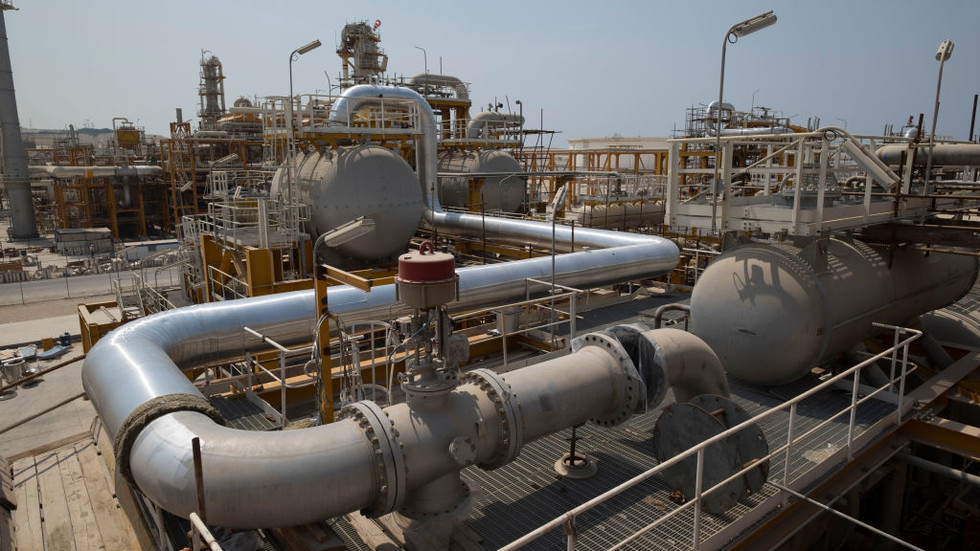
The attack on Iran’s South Pars, world’s largest gas field, and Tehran’s retaliation threatens energy supply
Israel’s strike on Iran’s South Pars gas field and Tehran’s response targeting Qatar’s Ras Laffan LNG hub threaten global supply
TL;DR
- The conflict in the Middle East has escalated to attacks on energy infrastructure, including Iran's South Pars gas field and Qatar's Ras Laffan LNG hub.
- These attacks threaten a global energy crisis, with potential for long-term price increases and supply disruptions.
- The world's largest gas field, shared by South Pars (Iran) and North Field (Qatar), is under attack, impacting approximately 20% of global LNG supply.
- Damage to the Ras Laffan Industrial City could delay restarts and fundamentally reshape the global LNG outlook, impacting Europe, Japan, Türkiye, and India.
- Repairing damaged LNG facilities is complex and costly, potentially taking years.
- The Strait of Hormuz, crucial for oil transport, remains effectively closed.
- Energy prices have surged, with European benchmark gas prices rising significantly and oil prices also increasing.
- The disruption of supplies from the Persian Gulf is constrained by limited US LNG export capacity.
- OPEC+ production data shows significant shut-in volumes, and the current situation is compared to the economic disruption of the 1973 oil embargo.
- Analysts warn that the conflict could morph into a full-blown energy crisis, with 'red lines' likely to blur as the war continues.
Continue reading the original article