February 27, 2026
No connection: Blocking Starlink for the Russian military has changed the situation at the front in Ukraine
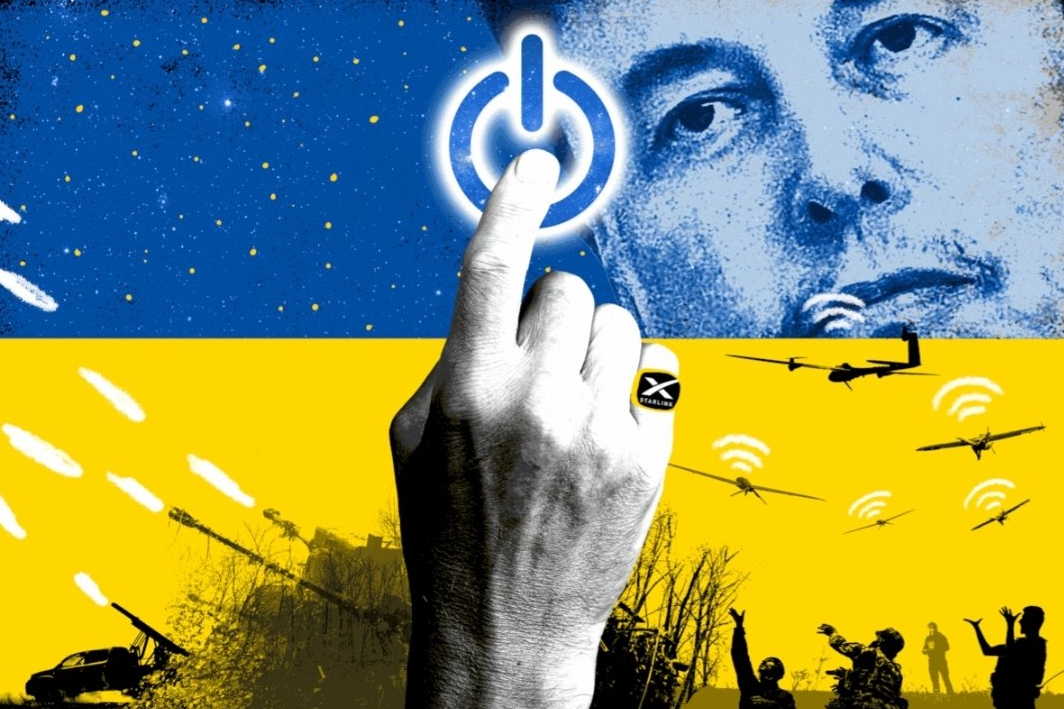
After a significant expansion in the use of Starlink satellite internet by Russian drone operators, Kyiv partnered with Elon Musk’s SpaceX in early February to introduce “whitelists” of verified terminals that can continue to function in Ukraine. The move has caused significant disruption to the operation of the “gray” devices available to the Russian armed forces. Following the restriction, the Armed Forces of Ukraine launched their most successful offensive operation since the summer of 2023, retaking more than 200 square kilometers of territory in the Zaporizhzhia and Dnipropetrovsk regions in less than a week. Although it is still too early to judge the long-term consequences of Russian troops’ access to Starlink being blocked, it is already clear that it will be difficult for Moscow’s forces to quickly find an adequate substitute. It is likely that the Russian military will have to lay cables for broadband access and install old-fashioned telephone lines in order to adapt its combat command system to the new conditions.
TL;DR
- Ukraine introduced emergency measures by January 31, 2026, to counter Russia's use of Starlink terminals, including speed-based restrictions and a whitelist system.
- Evidence of Russia illegally using Starlink terminals, acquired through parallel imports and activated via front people in third countries, emerged as early as 2024.
- Starlink's real-time control and resistance to electronic warfare made it crucial for Russian UAVs, especially for striking targets deep behind enemy lines.
- Following the Starlink restrictions, Russian pro-war channels reported significant disruptions, describing a rollback in control and communication capabilities.
- Ukrainian forces have launched their most successful counteroffensive operation since the summer of 2023, retaking over 200 square kilometers of territory.
- Russian forces are resorting to older communication technologies like radio sets and wired field telephones, and facing difficulties with alternative satellite systems like Gazprom's Yamal.
- The Ukrainian hacker group "256 Cyber Assault Division" claimed to have collected information on Russian terminals and facilitated fake registrations, with confirmation from Ukraine's Ministry of Defense.
- The absence of Starlink does not leave Russian forces without communication but significantly reduces decision-making speed and coordination, particularly for fire operations against mobile targets.
Continue reading the original article