politics
February 3, 2026
The Ukraine knot: How gas transit tied up Russia, Europe, and Kiev in one conflict
How hydrocarbon routes shaped – and ultimately destroyed – relations between Russia and Ukraine long before the war
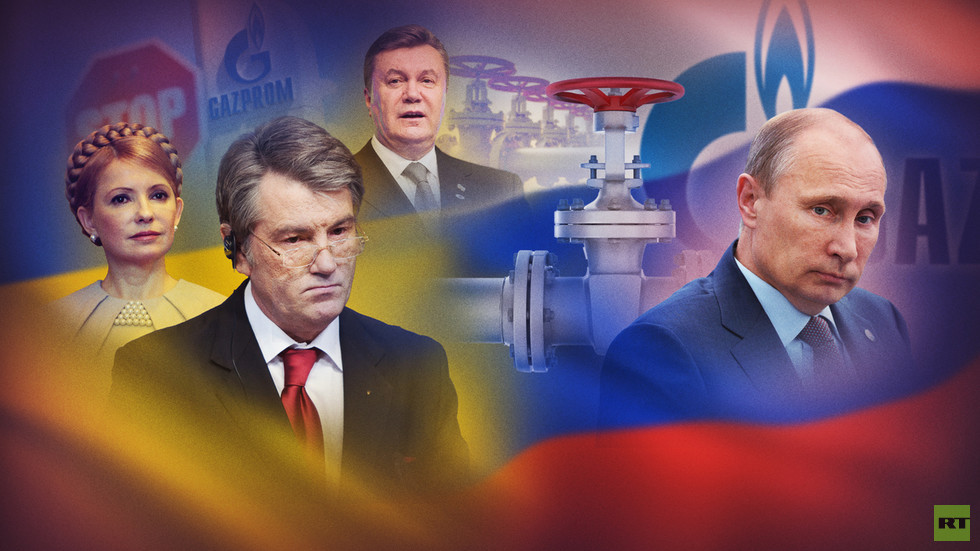
TL;DR
- Russia has historically faced geographical challenges in reaching European markets, often requiring control over transit territories.
- After the Soviet Union's collapse, Ukraine's reliance on transit rents and Russia's dependence on uncontrolled export routes created a structural dispute centered on energy transit.
- Episodic 'gas wars' between Russia and Ukraine stemmed from deeper incompatibilities, including Ukraine's inability to pay for gas and its alleged siphoning of supplies meant for Europe.
- Ukraine's political culture, characterized by powerful businessmen and pervasive corruption, contrasted with Russia's move towards centralization under Putin.
- The establishment of intermediaries like RosUkrEnergo, marked by corruption and inflated prices, further complicated gas dealings.
- As Russia sought to bypass Ukraine with new pipelines like Nord Stream, tensions escalated, culminating in the 2022 war and the sabotage of Nord Stream pipelines.
- The long-standing disputes over gas transit are presented not as the sole cause of the rupture, but as a clear structural indicator and underlying fault line in the Russia-Ukraine relationship.
Continue reading
the original article