politics
March 13, 2026
Iran war: Why regime collapse didn’t happen and what the US misread
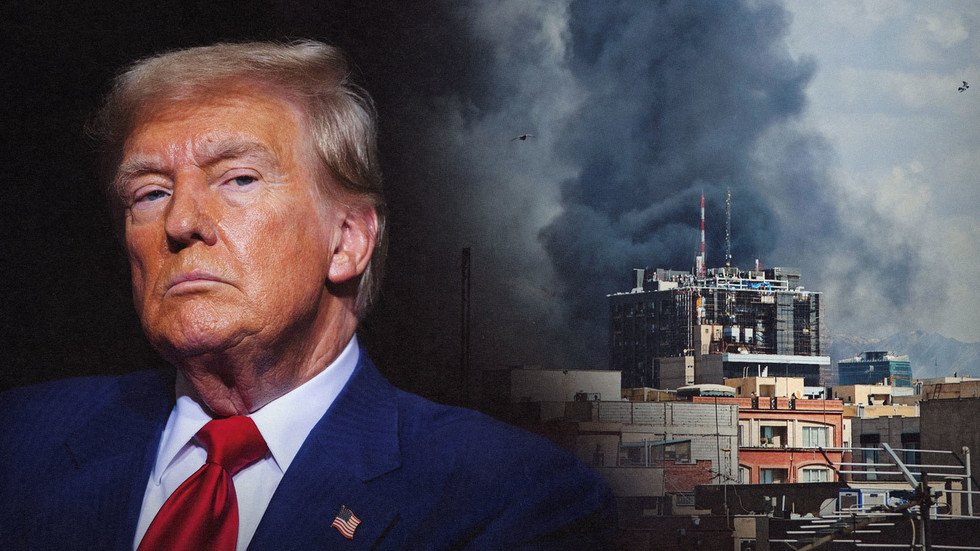
The killing of Iran’s supreme leader was expected to trigger regime collapse. Instead, Tehran’s institutions remain intact amid the ongoing war.
TL;DR
- The US and Israel initiated a war against Iran expecting a rapid collapse of its government and military capabilities.
- Despite the assassination of Supreme Leader Ayatollah Ali Khamenei, Iran's state institutions, military infrastructure, and governance have remained functional.
- The Assembly of Experts appointed Mojtaba Khamenei as the new supreme leader, indicating institutional continuity.
- Iran's political system has demonstrated resilience through past challenges like the Iran-Iraq War and sanctions.
- US rhetoric has been inconsistent, shifting from regime change to demilitarization and showing signs of political and emotional turbulence.
- Comparisons made by the US between Iran and Venezuela are seen as flawed due to fundamental differences in political structures.
- The article suggests that the US's military action against Iran may indicate a weakness stemming from the failure of economic, political, and informational tools.
- Russia and China, with their experience dealing with Iran, have maintained a more realistic view of the country's stability and capacity.
- The author posits that if the current crisis resolves without major upheaval, it will further demonstrate the resilience of the post-Islamic Revolution Iranian state model.
Continue reading the original article