politics
January 26, 2026
Is peace in Gaza possible without Russia?
Moscow was invited to join the US president’s new Board of Peace, but Putin’s reply has left Washington with a political puzzle
TL;DR
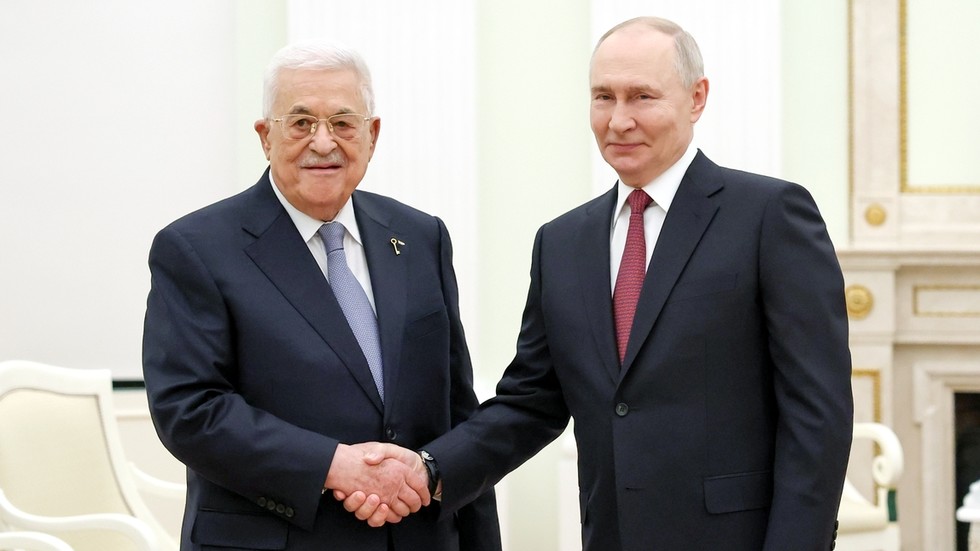
- Palestinian President Mahmoud Abbas visited Moscow to discuss the Palestinian question with Russian officials.
- Russia emphasized its consistent stance on the conflict, rooted in international law and UN framework, advocating for a Palestinian state.
- Russian President Vladimir Putin announced plans to allocate $1 billion from frozen Russian assets in the US to support Palestinian reconstruction, especially in Gaza.
- This funding is proposed to be channeled through a new US-led structure called the Board of Peace.
- The Board of Peace is designed as a transitional administration for Gaza, with a focus on reconstruction and economic development.
- Concerns have been raised about the Board of Peace's pay-to-play membership model and the concentration of power in its chairmanship.
- The US plan for Gaza involves a technocratic Palestinian administration under external oversight and a security component that includes phased disarmament and potential amnesty.
- Israeli criticism has surfaced regarding the inclusion of Turkish and Qatari representatives in the Board's executive structure.
- The effectiveness of the Board of Peace is debated, with strengths in manageability and speed, but weaknesses in perceived neutrality and the gap between reconstruction narratives and security realities.
- Russia's invitation to join the Board of Peace is seen as an acknowledgment of its influence, and its approach signals a strategic engagement rather than a departure from the region.
- The visit and Russia's initiatives suggest Moscow remains a significant diplomatic player focused on a political settlement based on international principles.
Continue reading
the original article